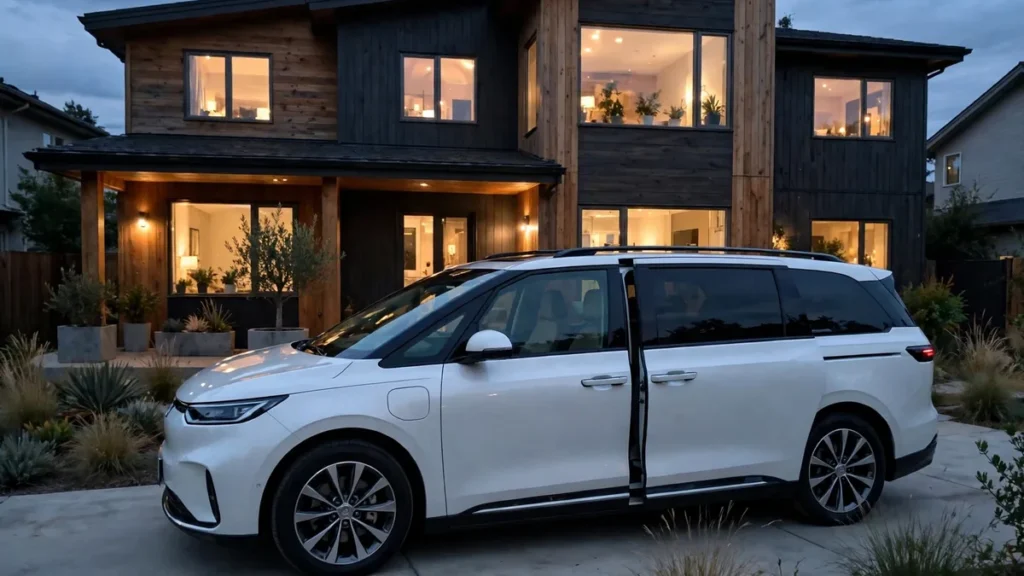
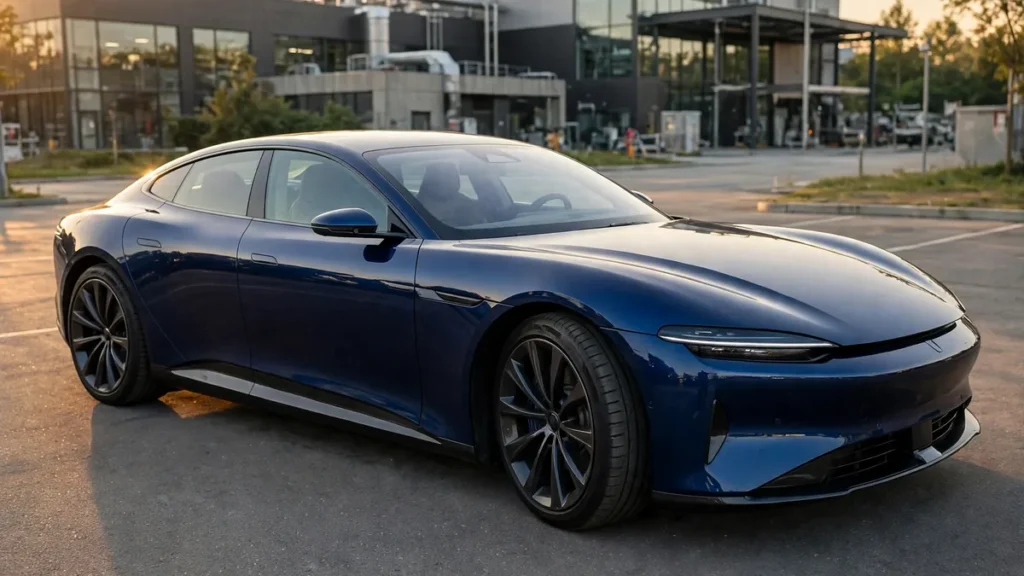
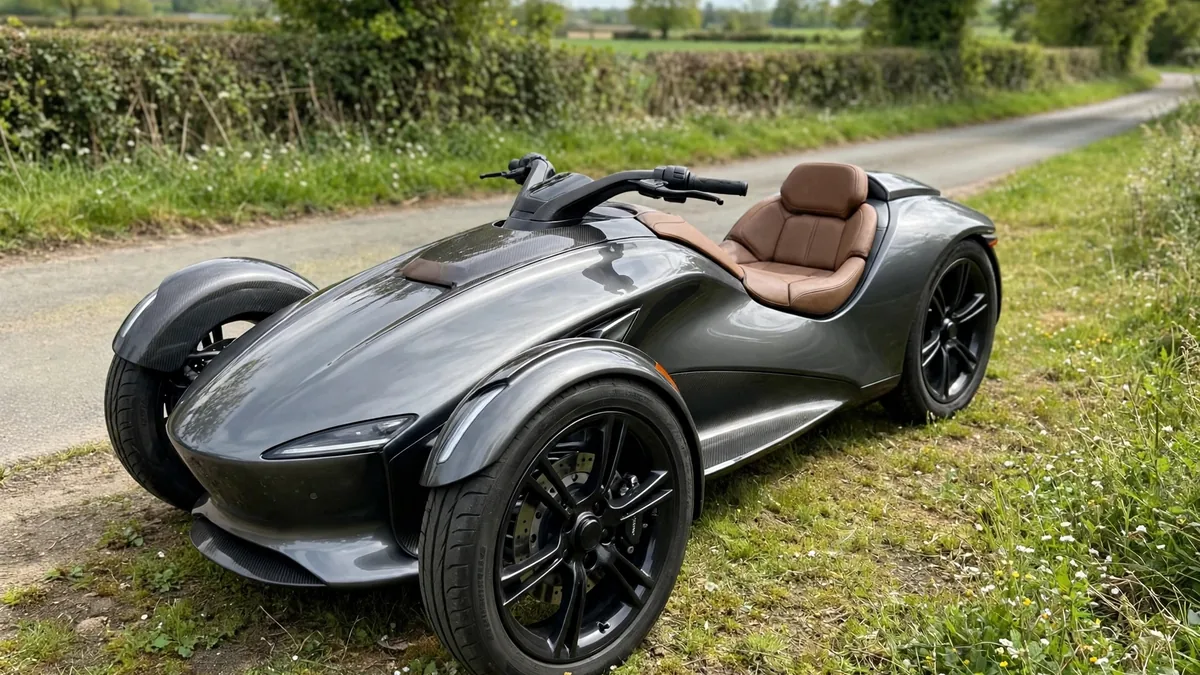
The trike overtook me on the riverside path on a bright morning, and I had to look twice. It had three wheels, a low seat like an armchair, and a rider who looked far too relaxed to be exercising. There was no engine noise, At the cafe further along the path, the rider told me what it cost, and I nearly spilled my coffee. It cost as much as a small car, and the machine in front of me had no roof, no doors, and no back seat.
A luxury electric trike is an odd machine to price, because it sits between three worlds at once. It is part bicycle, part motorcycle and part small car, It has the hand-built frame of a fine bicycle, the motor and battery of a small electric vehicle, and the comfort and finish of a luxury car seat, all packed into a vehicle that is made in tiny numbers. This guide takes that price apart, step by step, so the small-car figure starts to make sense.
The frame is a hand-built bicycle, grown up
The frame is where the money starts, and it is not a bicycle frame with an extra wheel. A luxury trike frame must carry a rider, a motor, a large battery and sometimes a passenger, while staying stiff enough to steer precisely and light enough to be practical. The best frames are welded by hand from aluminium or steel tubing, then checked, aligned and finished by people rather than machines.
Then there is the question of three wheels, which sounds simple and is anything but. Two wheels at the front and one at the back, or the other way around, changes everything about how the machine steers, leans and brakes. The front suspension must let both front wheels move independently over bumps while keeping the trike level, and the steering must feel natural to a rider who may never have ridden anything with three wheels before. How a luxury electric trike is made follows the frame from raw tubing to finished machine, and shows how much of the work is still done by hand.
Comfort is the third part of the frame bill. A luxury trike seat is closer to a car seat than a bicycle saddle, with padding, back support and sometimes heating, and it sits low for easy mounting. Riders buy these machines because their knees, backs or balance no longer suit two wheels, and the trike must welcome them rather than challenge them.
Where the money goes
| Cost driver | Share of the price | Why it costs so much |
|---|---|---|
| Hand-built frame | Large share | Hours of skilled welding, alignment and finishing by hand. |
| Motor and battery | Largest share, roughly a third | A large lithium battery and a strong, quiet motor are costly. |
| Suspension and brakes | Moderate share | Three-wheel suspension and hydraulic brakes need precision parts. |
| Comfort and finish | Moderate share | Padded seats, leather, lights and weather protection add up. |
| Safety and testing | Moderate share | Stability, braking and battery safety testing is slow and thorough. |
| Small production runs | Hidden but large | Few buyers share the cost of design, tools and certification. |
| Dealer and service | Smaller share | Specialist dealers, delivery and aftercare cost more than a bike shop. |
The motor and battery are the largest single cost, and they are the reason the trike can climb hills without asking the rider to stand on the pedals. A luxury trike carries a large lithium battery, often one to two kilowatt-hours, which is several times the size of an ordinary electric bicycle battery, and a motor strong enough to pull the extra weight of the third wheel, the frame and the rider up a steep lane. The battery must be protected from rain, shock and heat, and its management system must watch every cell, because a large battery that is badly managed is a danger, not a luxury.
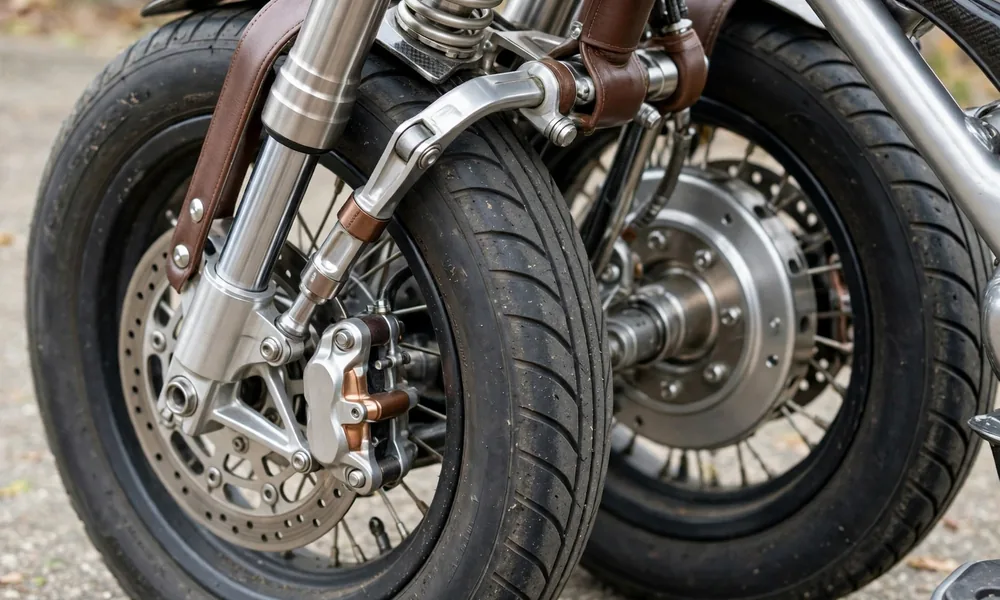
Brakes and suspension are the quiet costs that riders only notice when they fail. A trike needs hydraulic disc brakes on all three wheels, because it is heavier than a bicycle and stops from higher speeds, and the brakes must work evenly, or the machine will pull to one side. The suspension must absorb potholes without unsettling a rider who may be less steady than they once were. These are motorcycle-grade parts, bought in small quantities, and small quantities always cost more per part.
The hidden costs nobody sees
Certification is a hidden cost that surprises almost everyone outside the industry. A trike that carries a powerful motor and travels at speed must meet safety rules for braking, stability, lighting and battery safety, and proving that it meets them means months of testing, paperwork and inspection. A large car maker spreads that cost across millions of vehicles. A trike maker spreads it across hundreds, and each buyer carries a share that would make a car buyer blink.
Scale explains the rest, in the same way it explains the foldable phone. The factory that builds luxury trikes is small, the tools are often made for one model, and the dealers who sell them are specialists who spend time with each customer, fitting the seat, adjusting the controls and teaching the rider. That personal service is part of the price, and for many buyers it is part of the reason they buy. The story of how a luxury electric scooter works shows a machine from the same family, built at a larger scale and sold at a smaller price.
What a luxury electric trike costs, roughly
Prices are estimates, and they vary with battery size, motor power and finish. A luxury electric trike typically costs somewhere in the region of eight thousand to twenty thousand dollars, with the most richly equipped models reaching twenty-five thousand dollars or more. An ordinary electric bicycle typically costs around two to three thousand dollars, so the trike premium buys the third wheel, the larger battery, the stronger motor, the hand-built frame and the comfort of a machine designed for riders who need stability above all else.
Here is a rare fact that reframes the whole price. The three-wheeled machine is far older than the bicycle as most people know it. Early tricycles were built for riders who could not balance on two wheels, and they were the luxury vehicles of their day, owned by people who could afford a machine made by hand. The modern electric trike is the direct descendant of those machines, and it serves the same riders for the same reason: not everyone wants to balance, and nobody should have to give up the road because of it.

The short version to carry into the showroom
When you look at the price, think of it as four bills added together. The first is the hand-built frame and its three-wheel suspension. The second is the large battery and the strong, quiet motor. The third is the testing and certification that a small maker must pay in full. The fourth is the small production run, which makes every buyer carry more of the factory. If the trike gives a rider back the roads they thought they had lost, that arithmetic stops looking like a price and starts looking like a bargain. For the two-wheeled cousin of the same idea, see how a luxury e-bike works and notice how much of the same battery and motor technology it shares.