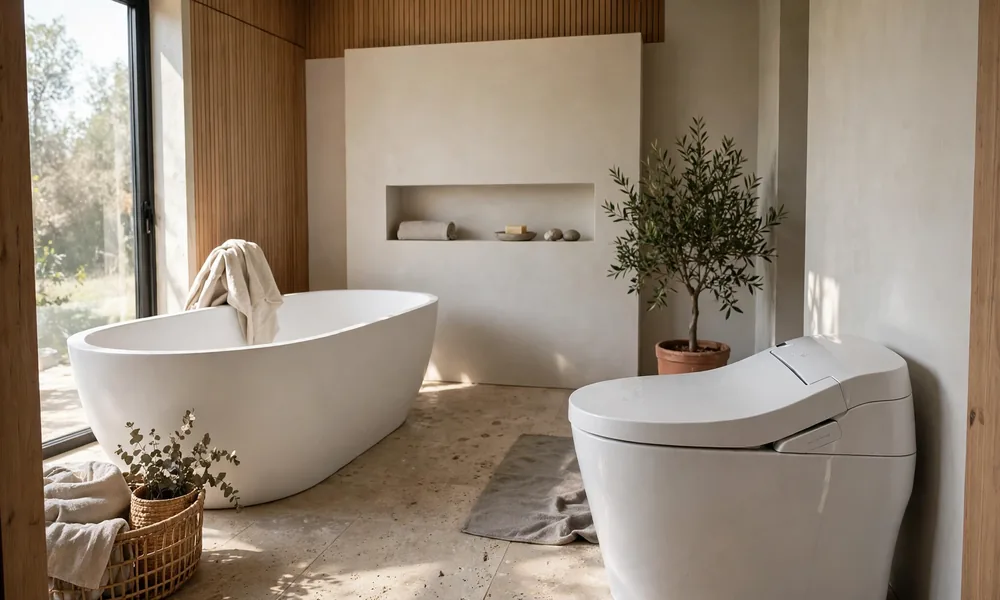
Step into a luxury bathroom for the first time and the toilet is the last thing you expect to notice. It sits quietly in the corner, white and still, while the marble, the mirrors and the freestanding bath do all the showing off. Then you sit down, the seat is warm, and a panel beside you offers to wash, dry and warm you at the touch of a button.
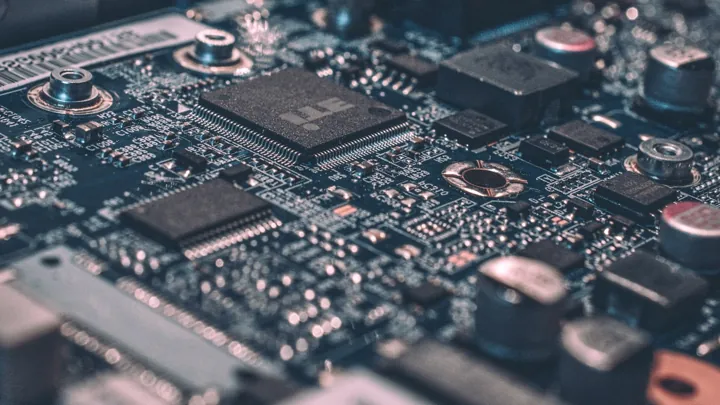
A luxury smart toilet can cost more than a good sofa, yet it has nothing on the outside to explain the figure. The cost lives inside the porcelain: a heated seat, a washing system with its own heater and pump, sensors that watch your health, and electronics that must survive steam, water and daily use for years. This is the story of where that money goes, and why the plumbing, not the porcelain, sets the price.

The Seat Is a Machine, Not a Chair
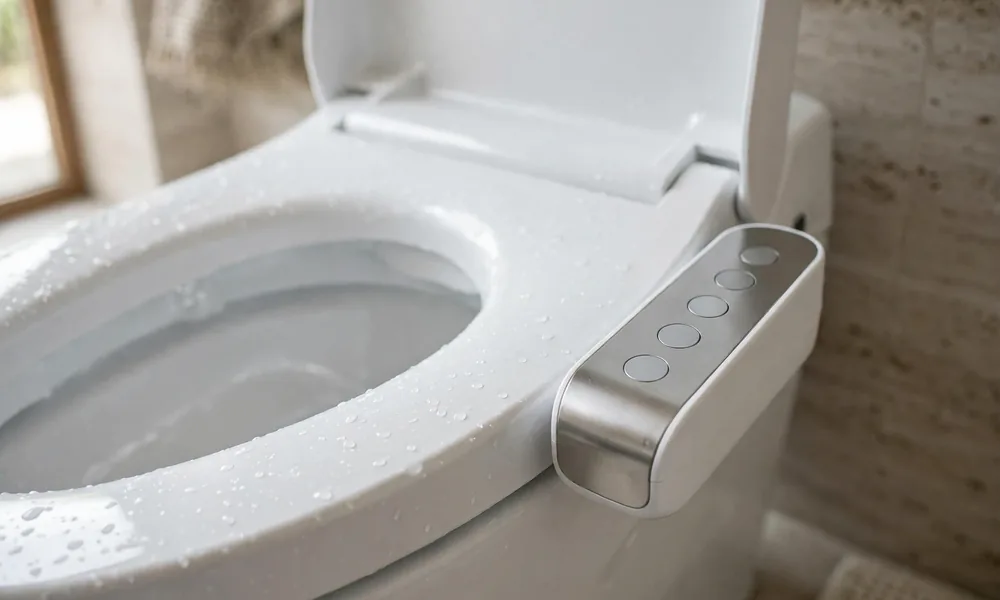
The seat is where the smart toilet begins, and it is a machine in its own right. Under the smooth plastic sits a heating element that warms the seat to your preferred temperature in seconds, a sensor that knows when you have sat down, and a soft-close hinge that lowers the lid without a sound. A cheap seat is a moulded piece of plastic, while a luxury seat is an assembly of heaters, sensors and motors.
The washing system is the heart of the machine. A small nozzle extends on command, sprays warmed water at a pressure you can adjust, then retracts and cleans itself with ultraviolet light before the next use. The water is heated on demand by its own heater, so it never runs cold halfway through, and the pump must deliver a steady stream at exactly the right pressure. The luxury smart toilet specs show how many small systems hide inside this one fixture, and the seat alone carries more engineering than most bathroom fittings combined.
Drying is the finishing touch that separates a luxury toilet from a merely clever one. A fan blows warm air at a controlled temperature, so the user never needs paper at all, and the air is filtered and heated by the same system that warms the water. It turns a cold, paper-based routine into something warm and effortless.
Water, Warmth and the Plumbing Inside
Water is the toilet’s lifeblood, and a smart toilet treats it with unusual care. The flushing system uses far less water than an old toilet, yet it must clear the bowl completely, so it uses a rimless design and a powerful, precisely timed flush that swirls the water around the bowl instead of dumping it. The valves inside are made from brass and ceramic rather than plastic, because they must open and close tens of thousands of times without leaking.
Warmth runs through the whole machine. The seat heater, the water heater and the air dryer each draw power, and the toilet needs its own electrical supply, usually a socket hidden behind the unit, with protection against water and steam. The how a luxury smart mirror works story shows the same bathroom-grade engineering on the wall opposite, where electronics must live happily in steam, and a toilet that mixes water and electricity has to be safe in ways a mirror never has to be.
Self-cleaning is the feature that justifies the price to the person who cleans the bathroom. A glaze on the porcelain resists stains and limescale, an electrolysed water system sanitises the bowl after each flush, and some models open their lids automatically and mist the bowl before use. The result is a toilet that stays clean with a fraction of the scrubbing.
Sensors and the Health Checks Nobody Sees
The sensors are the smart toilet’s most surprising feature, and the one its makers talk about least. Some luxury models measure body temperature, heart rate and even the composition of what they flush away, and they send the readings to an app that tracks trends over weeks and months. The toilet is the one fixture every person in the house uses every day.
That data is handled with unusual care. The readings are stored on the device or in an encrypted account, and the toilet’s software is updated over the air, like a phone, so new health features can arrive years after the toilet is installed.
Night lighting is the smallest sensor-driven feature, and the one guests notice first. A soft light under the bowl glows when someone approaches in the dark, so nobody needs to switch on the bright bathroom light at three in the morning, and the light fades when the room empties. It is a tiny detail, but it makes a house feel considered.
Tiny Runs, Hand Assembly and Bathroom-Grade Finishing
Luxury smart toilets are made in small numbers, and small numbers mean high prices. A factory that makes a million ordinary toilets can spread the cost of its moulds, its kilns and its engineers across every unit, but a luxury maker building a few thousand smart toilets a year must charge each buyer a share of all of it. The porcelain is fired, glazed and inspected by hand, and the electronics are fitted and tested by a person.
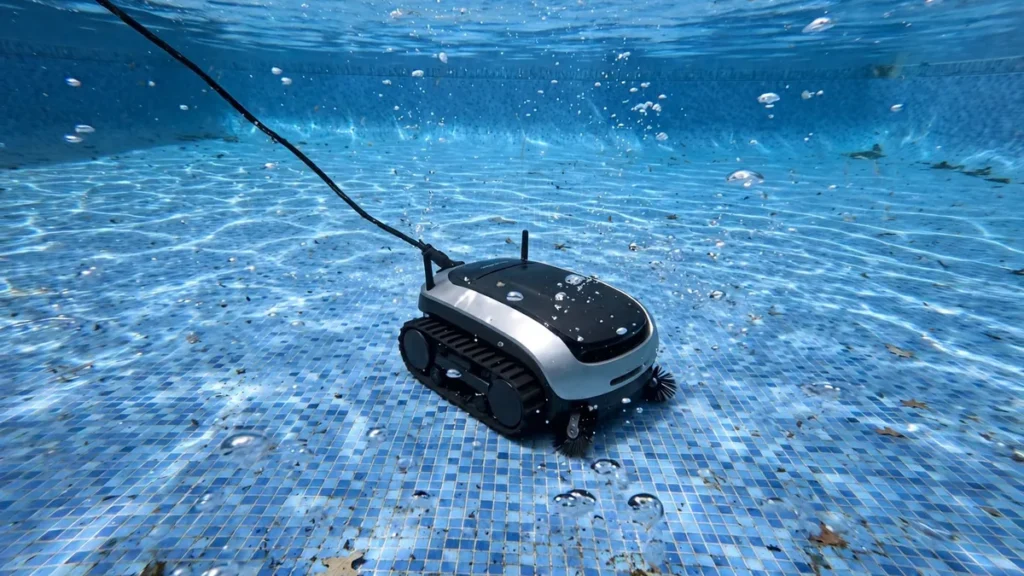
The finishing is where the luxury shows. A luxury toilet uses a seamless ceramic body with no joints to trap dirt, a lid that closes without a sound, and a finish that resists scratches and stains for years. The porcelain must be fired at a precise temperature to take the glaze evenly, and a single flaw in the glaze means the whole body is rejected. The why a luxury robot vacuum is so expensive story shows the same small-run economics on a very different machine, where hand assembly and tight testing are what the buyer is really paying for.
As an estimate, a luxury smart toilet costs about $5,000 to $15,000, the seat and washing system about $1,500 to $4,000 of that, the plumbing and ceramic body about $1,500 to $4,000 more, and the sensors, software and hand assembly about $1,500 to $5,000 on top. These are estimated ranges, not quotes. What never changes is that the toilet is built in small numbers by hand, and a fixture built that way can never be cheap.
A Rare Fact From the World of Smart Toilets
Here is a detail few owners ever learn: a luxury smart toilet can recognise who is sitting on it. The seat measures weight and sitting pattern, and over the first few weeks it learns the household, so it can load each person’s preferred seat temperature, water pressure and drying settings without anyone touching a button. The toilet you sit on in the morning is quietly set up for you before you arrive.
What the Price Means for You
If you are wondering why a luxury smart toilet costs so much, look at four things: the seat, the water system, the sensors and the build. A heated washing seat, a rimless low-water flush, health sensors that work every day without being worn or charged, and a hand-finished ceramic body are the marks of a toilet worth its price. Installation matters more than anyone admits, because a smart toilet needs power, water pressure and space that an ordinary toilet never asked for. The best luxury smart toilet is the one you never have to think about, warm, clean and quiet, doing its work while you simply sit and go.