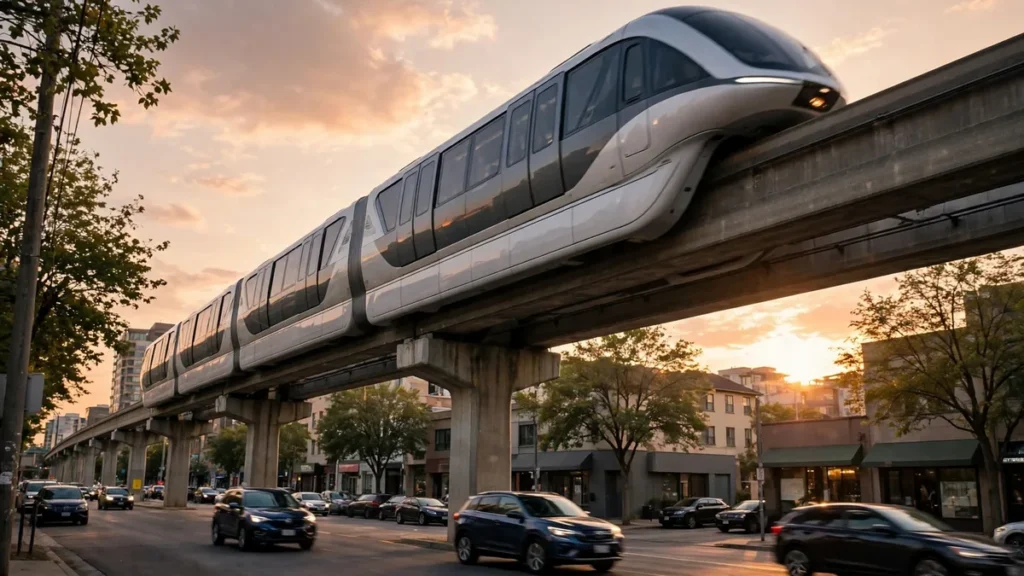
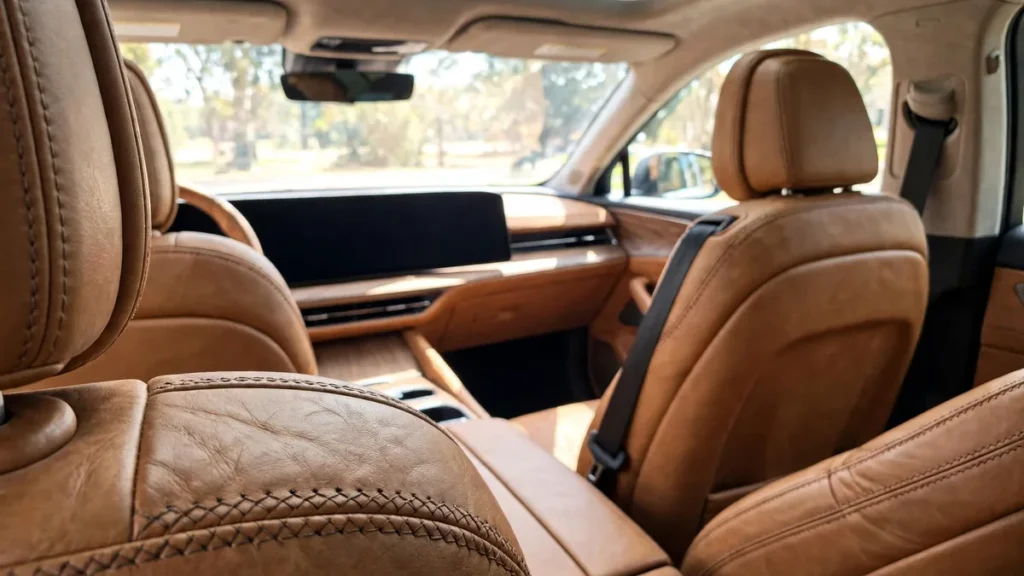
The coach pulled away from the hotel forecourt without a sound that anyone could name. There was no diesel rumble, no shudder through the floor, only a faint hum as the big vehicle gathered speed, its passengers settling into wide leather seats with coffee cups that did not tremble. A child near the window pressed a hand to the glass and watched the city slide past, and an older man in the front row nodded as if the silence itself were the luxury he had paid for.
That silence is the first specification that matters, and it is the one that never appears on a brochure. A luxury electric bus is a machine built around numbers: battery capacity, motor power, range, charging speed, weight, and passenger comfort, each figure shaping how the bus feels on the road. Read the sheet the way an engineer reads it, and the quiet ride stops being a mystery and becomes a set of deliberate choices.

The spec sheet at a glance
| Specification | Typical luxury figure |
|---|---|
| Length | 12 to 13 metres |
| Passenger seats | 30 to 45, plus driver |
| Battery capacity | 350 to 550 kilowatt-hours |
| Motor power | 250 to 400 kilowatts |
| Driving range | 250 to 400 kilometres |
| Top speed | 100 kilometres per hour, limited |
| Charging power | 150 to 350 kilowatts DC fast charging |
| Charge time, 20 to 80 percent | 45 to 90 minutes |
| Gross vehicle weight | 18 to 20 tonnes |
| Body material | Aluminium and composite panels on a steel frame |
| Suspension | Air suspension with electronic levelling |
| Noise level inside | Around 60 to 65 decibels at cruise |
The battery: a power station under the floor
The battery is the single most important number on the sheet, and it is measured in kilowatt-hours, the same unit that measures the electricity a home uses in a day. A luxury electric bus carries 350 to 550 kilowatt-hours, roughly five to seven times the battery of a large family electric car. That capacity is what lets the bus carry forty people and their luggage for a full working day without stopping to charge, and it is also the reason the bus weighs close to twenty tonnes.
Those cells live in sealed cases under the floor, which keeps the centre of gravity low and the cabin floor flat. Keeping them cool matters more than keeping them charged: liquid cooling loops carry heat away from the cells, and a battery management system watches every group of cells for temperature and voltage. The guide to how a luxury electric bus is made follows the bus from its frame to its finished cabin, and the battery is fitted early, because everything else in the vehicle is arranged around it.
Motor power and the way it moves
Motor power is quoted in kilowatts, and a luxury electric bus typically offers 250 to 400 kilowatts, which is roughly 335 to 535 horsepower in older language. That sounds generous, but the bus needs it: it must pull away from a standstill with a full load, climb hills with luggage in the hold, and merge onto a motorway without hesitation. Electric motors deliver their full torque from rest, so the bus moves off smoothly rather than straining through gears, and that smoothness is a large part of what passengers feel as luxury.

Range, charging, and the working day
Range is the figure buyers argue about most, and it is also the easiest to misunderstand. A quoted range of 250 to 400 kilometres assumes a full battery, a moderate load, and mild weather. Air conditioning on a hot day, heating on a cold morning, and a full complement of passengers all draw power, and a hilly route uses more than a flat one. Operators who know their routes plan around the worst day, not the best one, and they buy the bigger battery when the route demands it.
Charging is measured in kilowatts, and the bus accepts 150 to 350 kilowatts from a DC fast charger. At that rate, a charge from 20 to 80 percent takes roughly 45 to 90 minutes, which fits neatly into a lunch stop or a turnaround at the depot. The account of how a luxury electric bus works explains the flow of energy from charger to wheels, and the spec sheet is the shorthand version of the same story.
Weight, body, and the ride
A luxury electric bus weighs 18 to 20 tonnes when fully loaded, and most of that weight sits low in the chassis, where the battery lives. That low weight is a gift to the suspension engineers: the bus corners with less roll than a tall diesel coach, and the air suspension can be tuned for a soft, level ride. Electronic levelling keeps the body flat as passengers board and the luggage hold fills, and it kneels at the kerb so the step into the cabin is a small one.
How the numbers work together
The spec sheet only makes sense when the figures are read as a system. First, the battery sets the range, and the range sets the routes the bus can serve. Second, the motors set the pace, and their instant torque sets the smoothness passengers notice. Third, the charging power sets the rhythm of the working day, deciding whether the bus can top up between trips or must wait for the night. Fourth, the weight and the low battery placement set the handling, and the air suspension turns that handling into comfort. Fifth, the cabin noise figure, around 60 to 65 decibels at cruise, is the result of all of it: no engine, thick glass, sealed panels, and soft suspension working together.
The cabin: where the specs become comfort
The driver’s cab is part of the specification too. A large display replaces the old cluster of dials, showing battery level, range, and charging status at a glance, and cameras replace mirrors on some models, giving a clearer view in the rain. The explanation of why a luxury electric bus is so expensive traces where the money goes, and the cabin is a large share of it, because every seat, panel, and light is finished by hand.

Price
A luxury electric bus typically costs an estimated $500,000 to $900,000, depending on battery size, seat count, and interior finish, with the largest batteries and the most elaborate cabins at the top of that range. The depot charger adds to the bill: a fast DC charger and its installation can cost an estimated $50,000 to $150,000. These are estimates, not list prices, because luxury buses are built to order and the final figure depends on the buyer’s specification. What the buyer is paying for, in the end, is not a vehicle but a working day without noise, vibration, or exhaust, repeated for years.
A rare fact
Some luxury electric buses can feed power back into the building they are parked beside. With the right depot equipment, a bus that has finished its day can discharge part of its battery into the hotel or depot grid during the evening peak, then recharge overnight when electricity is cheaper. The bus becomes a mobile battery for the building, and the vehicle that spent the day carrying guests spends the night quietly helping to power the place they are staying.