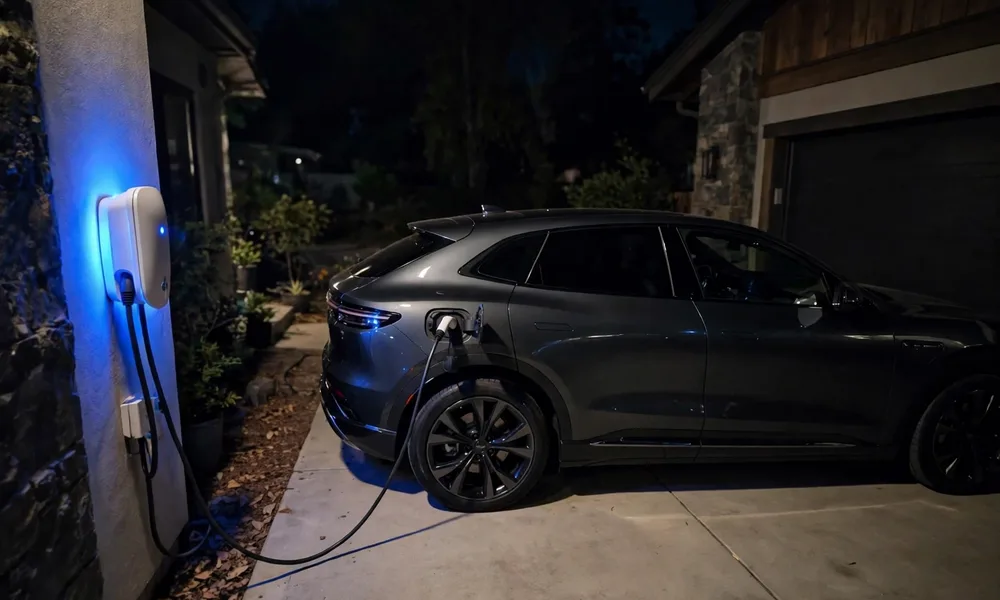
Open the door of a luxury electric SUV and the first thing you notice is the smell. It is not new-car plastic. It is leather that was cut and stitched by hand, wood that was matched grain by grain, and metal trim that was polished until it feels cool to the touch. Close the door and the sound is a soft, heavy thunk, the sound of a bank vault rather than a car. Then you press the pedal, and a vehicle the size of a small house moves away in silence, faster than most sports cars.
The price tag is the next thing you notice, and it is usually the thing that stops the conversation. A luxury electric SUV can cost three or four times as much as a fine family SUV, and the reasons are not obvious from the outside. The shape is familiar, the badge is familiar, and the road is the same road. The money is hidden in the battery, in the cabin, in the testing, and in the fact that so few of these vehicles are ever built.
The Battery Is the Biggest Bill
Every electric SUV starts with a battery, and in a luxury model that battery is enormous. A pack of 100 to 130 kilowatt-hours holds enough energy to power a house for days, and it is built from thousands of individual cells, each one tested, matched and welded into modules by hand or by machines so precise they work in dust-free rooms. The cells themselves are the expensive part, made from lithium, nickel and cobalt that must be mined, refined and shipped across the world before they ever reach the factory.
The pack also needs armour. It sits under the floor, exposed to stones, water and the occasional kerb, so it is wrapped in a sealed metal case strong enough to survive a crash without a single cell being pierced. Cooling channels run through it, pumps and sensors watch its temperature every second, and a fault in any one of those systems can shut the car down. The luxury electric SUV specs show how large these packs are, and why the battery alone can cost more than a whole family car.
Weight is the hidden tax on everything else. A battery this large weighs half a tonne or more, so the suspension, the brakes and the tyres must all be stronger than in a petrol SUV, and stronger parts cost more. The motors must be bigger to move the weight, and the bigger motors need more cooling. One expensive part forces a dozen more, and the bill grows in every direction.
A Cabin Built Like a Living Room
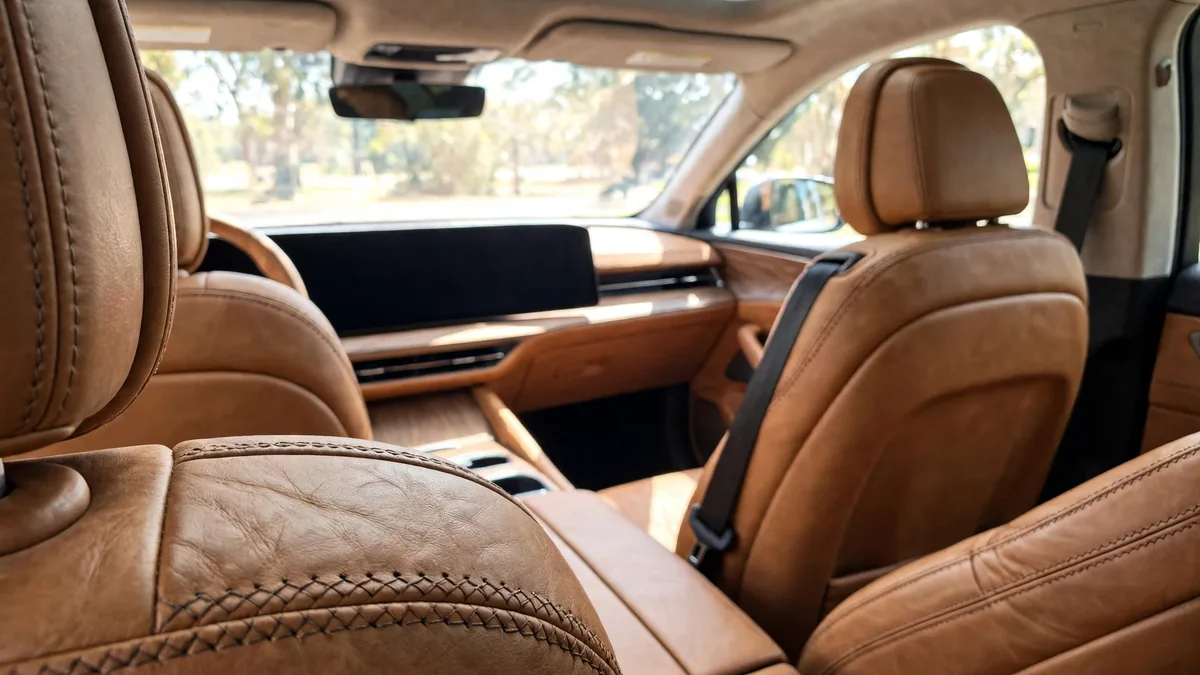
The cabin is where a luxury electric SUV spends its second fortune. The leather is not the leather of a normal car. It comes from hides chosen for their grain, tanned without harsh chemicals, cut by hand so that no scar or stretch mark reaches a seat, and stitched by people who train for years to keep every seam perfectly straight. A single steering wheel can take hours to wrap, and a dashboard can take a day to assemble.
The technology inside is just as costly. A curved screen the width of the dashboard, a sound system with twenty or more speakers, seats that heat, cool and massage, and air suspension that reads the road ahead and adjusts before the wheel hits a bump. Each system is developed for a small number of cars, so its cost is spread across thousands rather than millions. The how the luxury electric SUV is made story shows how much of this work is still done by hand, and why a production line that builds a few dozen cars a day can never match the price of one that builds thousands.
Silence is the most expensive luxury of all. With no engine to hide the noise, every rattle, whistle and tyre hum becomes audible, so engineers add layers of acoustic glass, sound-deadening mats and active noise cancelling, and then test the cabin again and again until it is quieter than a library. It is a kind of luxury you only notice when it is missing, and it costs a fortune to get right.
Testing, Safety and the Cost of Trust
A luxury electric SUV is tested far beyond the legal minimum, and the testing is ruthless. Prototypes are frozen in Arctic chambers, baked in desert heat, driven through rivers and crashed into barriers at every angle, not once but dozens of times, until the engineers are certain the battery will not catch fire and the cabin will hold its shape. Each crash test destroys a car worth a fortune, and the bill for the programme runs into hundreds of millions before a single customer car is sold.
The software is tested just as hard. The car receives updates over the air, drives itself in traffic, parks itself in tight spaces and watches the driver for signs of tiredness, and every one of those systems must be proven safe before it is allowed on the road. A fault in a braking system or a steering motor is not a recall. It is a headline, so the makers test until the risk is as small as they can make it. The luxury SUV specs show the same obsession with safety in a petrol SUV, where the crash structure is the thing that keeps a family alive, and the electric version adds a battery that must survive the same crash.
As an estimate, a luxury electric SUV costs about $120,000 to $250,000, the battery pack about $20,000 to $35,000 of that, the hand-finished cabin about $15,000 to $30,000 more, and the testing and development programme hundreds of millions spread across a small production run. These are estimated ranges, not quotes, and the final figure depends on the model, the options and the market. What never changes is that the price buys engineering and craft that a mass-market car simply does not have.
A Rare Fact From the World of Luxury SUVs
Here is a detail few buyers ever learn: some luxury electric SUVs are quieter inside than the recording studio where their sound systems are tuned. Engineers measure the cabin noise in decibels and find it lower than a whisper, so low that the sound system designers had to rethink their work, because a speaker that sounds rich in a normal car can sound harsh in a cabin with no background noise at all. The car is so quiet that it changed how the music inside it is made, and that is a luxury no brochure can show you.
What the Price Means for You
If you are wondering why a luxury electric SUV costs so much, look at four things: the battery, the cabin, the testing and the rarity. A huge battery built like armour, a cabin finished by hand, testing that destroys dozens of cars before one is sold, and a production run too small to spread the cost thin are the marks of an SUV worth its price. The badge matters less than the brochures suggest, and the silence matters more than anyone admits, because a cabin this quiet is the one luxury you feel on every single drive. The best luxury electric SUV is the one that feels worth its price from the driver’s seat, not from the showroom floor.