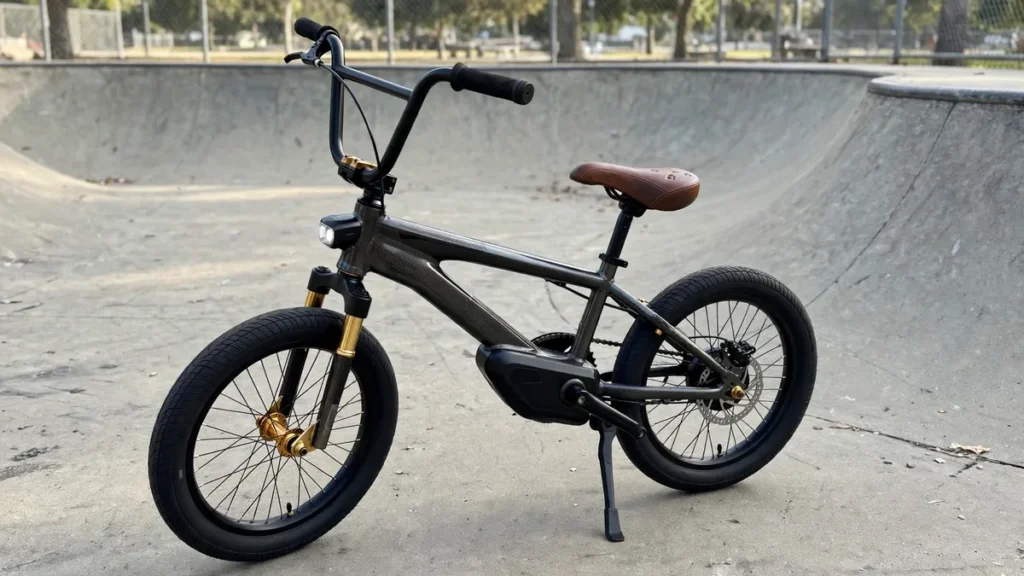
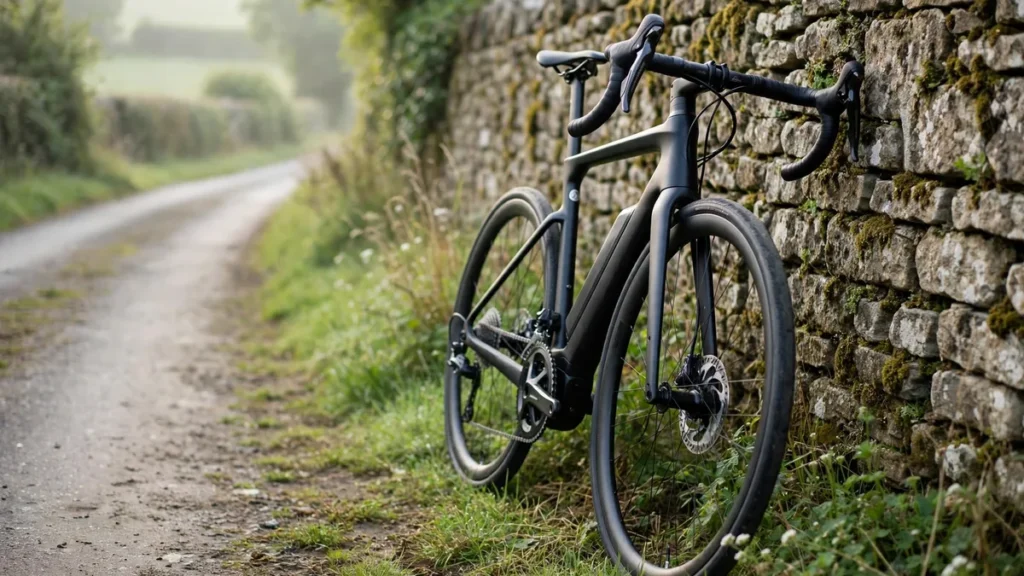
The first thing you notice on a muddy forest trail is the silence. A petrol dirt bike announces itself from half a mile away, rattling birds out of the trees and echoing off the hillside. A luxury electric dirt bike arrives differently. There is the soft crunch of knobby tyres on wet earth, the faint whine of the motor, and not much else. The rider can hear the trail again, and the trail can hear the rider coming only when he is already there.
That quiet is not an accident. It is the result of a machine built from the ground up around a battery and a motor, with no exhaust, no clutch and no gearbox to hide behind. Every gram matters, every seal matters, and every part must survive mud, water, jumps and crashes that would destroy an ordinary road bike. Here is how such a machine is made, from a bare frame to a finished bike that can climb a hill without a sound.

How It’s Made
Step 1: The frame is welded and heat-treated
It starts with a frame, usually aluminium alloy, cut into tubes and welded by hand in a jig that holds every angle to a fraction of a degree. The geometry is the bike’s personality: a steep head angle makes it steer quickly through trees, while a longer wheelbase keeps it stable on fast straights. Once welded, the frame is heat-treated to relieve the stress of welding, then checked for cracks with dye or ultrasound. A frame that flexes in the wrong place will handle badly for its whole life, so this stage is done slowly, and a frame that fails the check is cut up rather than repaired.
Step 2: The battery pack is built cell by cell
The battery is the heart of the bike and the most expensive single part. Hundreds of lithium cells are tested individually, matched for capacity, and welded into modules with nickel strips. Each module gets its own temperature sensors and a management board that watches every cell, balancing charge and cutting power if anything overheats. The modules are then sealed into a rugged aluminium case with gaskets that keep out mud and water. A luxury pack is potted in resin around its edges, so even a hard crash cannot shake a cell loose.
Step 3: The motor is wound and sealed
Most luxury electric dirt bikes use a compact motor mounted low in the frame, driving the rear wheel through a chain or belt. Copper wire is wound around a steel stator by machine, then the windings are varnished and baked hard. The rotor, studded with powerful magnets, spins inside it on sealed bearings. The whole motor is then sealed against dust and water, because a dirt bike lives in the worst conditions a motor will ever see. Engineers test it by running it under a spray of muddy water while it spins at full speed.
Step 4: The suspension is tuned for jumps
Suspension is what separates a dirt bike from a road bike with knobby tyres. Long-travel forks at the front and a linkage-driven shock at the rear give the wheels room to follow ruts and absorb landings. The internals are shim stacks, thin washers of spring steel that bend to let oil flow faster over big hits and slower over small bumps. A luxury bike gets its suspension tuned on a dyno and then on a test track, with a rider of a set weight, so the damping matches the bike’s power. The settings are written down for the owner, who can adjust them with a clicker.
Step 5: The electronics are wired and waterproofed
With the heavy parts in place, the bike is wired. A controller, essentially a powerful computer, sits between the battery and the motor, turning the rider’s throttle twist into precisely timed pulses of current. The wiring harness runs through the frame in protective sleeves, and every connector is sealed with rubber boots. The throttle, the display, the lights and the regenerative braking sensor are all plugged in and tested. Then the whole bike is sprayed down, because a wiring fault that only appears in the wet is a fault the factory would rather find than the rider.
Step 6: The bodywork and seat are fitted
Plastics come next. Slim shrouds, a front fender, a seat and side panels are moulded from tough, flexible plastic that bends instead of cracking in a fall. Luxury bikes use plastics with the colour mixed through the material, so a scratch does not show a different colour underneath. The seat is shaped to let the rider slide forward and back easily, and it is covered in a grippy material that works when wet. Graphics are applied under a clear coat, so they cannot peel off in the mud.
Step 7: The bike is tested on a real trail
No luxury electric dirt bike leaves the factory without a ride. A test rider takes it onto a private trail and runs it through the full range: hard acceleration, steep climbs, jumps, water crossings and emergency stops. The bike’s computer records motor temperature, battery voltage and any fault codes, and the rider notes how the suspension feels and whether anything rattles. Only when the data and the rider agree does the bike get its final check, a wash, and a crate. A bike that fails the trail test goes back to the line, not to a customer.

Key Specifications
The figures below describe a typical luxury electric dirt bike; individual builds vary.
| Specification | Typical figure |
|---|---|
| Motor power | 10 to 20 kW peak |
| Battery capacity | 3.5 to 5 kWh |
| Range off-road | 60 to 100 km per charge |
| Weight | 95 to 120 kg |
| Suspension travel | 280 to 310 mm front and rear |
| Charging time | 2 to 4 hours from empty |
| Water resistance | Sealed electrics, built for stream crossings |
How Much Does It Cost?
A luxury electric dirt bike typically costs from around $9,000 to $16,000, depending on the battery size, the motor and the suspension. That is an estimate based on current premium models, and a replacement battery pack alone can cost several thousand dollars. Most of the price sits in the battery cells, the motor and the long-travel suspension. To see what the motor does once the bike is built, read how a luxury electric dirt bike works for the ride itself. The wider family is covered in how a luxury electric bike is made, and how a luxury electric ATV works shows the same ideas on four wheels.

A Rare Fact
Here is something few riders know: the first electric dirt bikes were built in sheds by hobbyists who bolted golf-cart motors onto old petrol frames, and the batteries were so heavy the bikes handled like wheelbarrows. One early builder entered a race and finished only because the course was short enough for his lead-acid pack to survive. The factory engineers who watched that race went back and designed the first purpose-built frames around the battery instead of around an engine, and that single change, putting the weight low and central, is what made the modern electric dirt bike handle properly.
A luxury electric dirt bike is a quiet machine built for loud places. From the hand-welded frame to the sealed battery, from the shim stacks in the forks to the final trail test, every step exists to make a bike that can be ridden hard, washed down, charged overnight and ridden hard again. The silence is the reward, and on a muddy trail at dawn, it is worth every hour the factory spent building it.