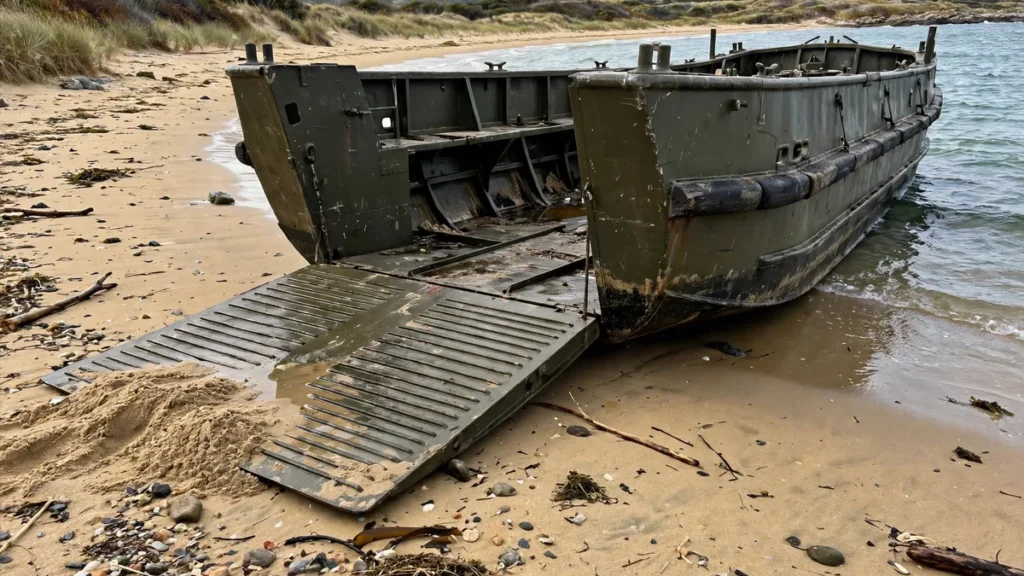
The beach is empty at low tide, a flat stretch of wet sand with no road, no jetty, and no way in by boat. Then a low hum rises over the dunes, and a strange craft slides into view on a cushion of air, its skirt billowing, its fan roaring, its hull riding a hand’s breadth above the ground. It crosses the sand, the water, and the mud without slowing, climbs the slipway, and settles onto the concrete with a sigh as the fan winds down. People on the beach stop and stare, because a hovercraft looks like it is breaking the rules, and in a way it is. It does not float, and it does not drive. It flies, just barely, on a pocket of air it makes itself.
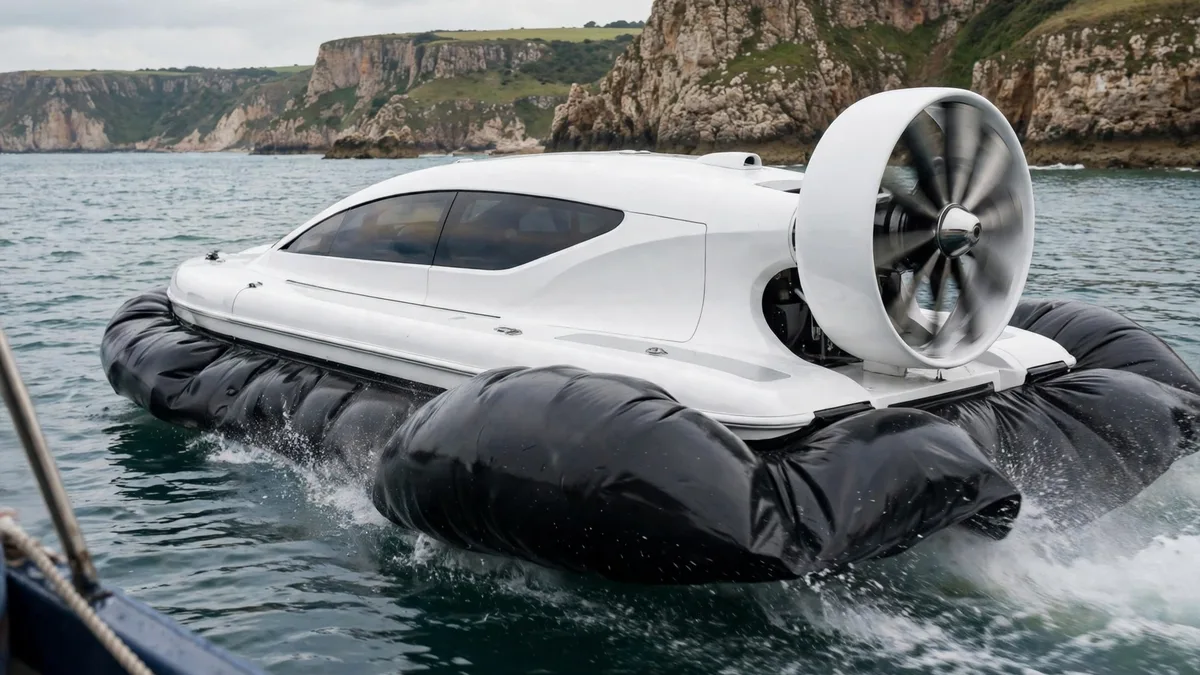
A luxury hovercraft takes that strange idea and dresses it up. The hull is finished like a yacht, the cabin is lined in leather, and the seats are the kind you would find in a first-class cabin, yet underneath it all the machine is pure physics: a fan, a skirt, and a cushion of pressurised air. This is how it works, from the moment the fan spins up to the moment it comes home to land.
How a luxury hovercraft works
Step 1: The lift fan builds the cushion
Everything starts with air. A lift fan, driven by the engine, draws air in from above and forces it down under the hull, where it is trapped by a flexible skirt that hangs around the edge of the craft. The pressure under the hull rises until it is high enough to lift the whole machine, and the skirt seals the gap against the ground or the water. A luxury hovercraft typically lifts about 15 to 25 centimetres, which is enough to clear waves, rocks, and beach ridges, and the cushion is constantly topped up as air escapes from under the skirt.
Step 2: The skirt seals the air in
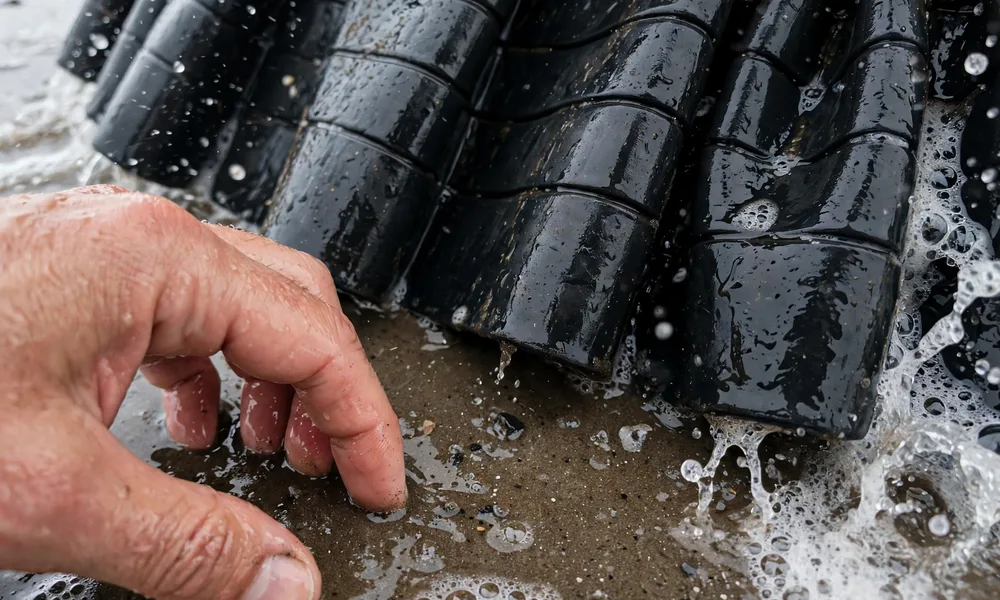
The skirt is the most important and the most abused part of a hovercraft. It is made of layers of rubberised fabric, shaped into fingers or segments that flex and bend as the craft crosses uneven ground. When the craft passes over a wave, the skirt fingers bend upward and then spring back, keeping the cushion sealed without snagging. The skirt is also the reason a hovercraft can cross from water to land without stopping: it simply drags over the surface, sealing the air as it goes.
Step 3: The thrust fan pushes it forward
Lifting the craft is only half the job. A second fan, usually a large ducted propeller mounted at the rear, provides the push. The fan sits inside a protective ring, and the driver steers by moving rudders behind it, which deflect the airflow left or right, much like the rudder on a boat or the tail of an aeroplane. The craft can reach 70 to 90 kilometres an hour on calm water, and because there is almost no friction with the surface, it keeps its speed with surprisingly little power. A similar kind of unfamiliar steering shows up in the air, as our guide to how a luxury airship works explains.
Step 4: The hull and cabin
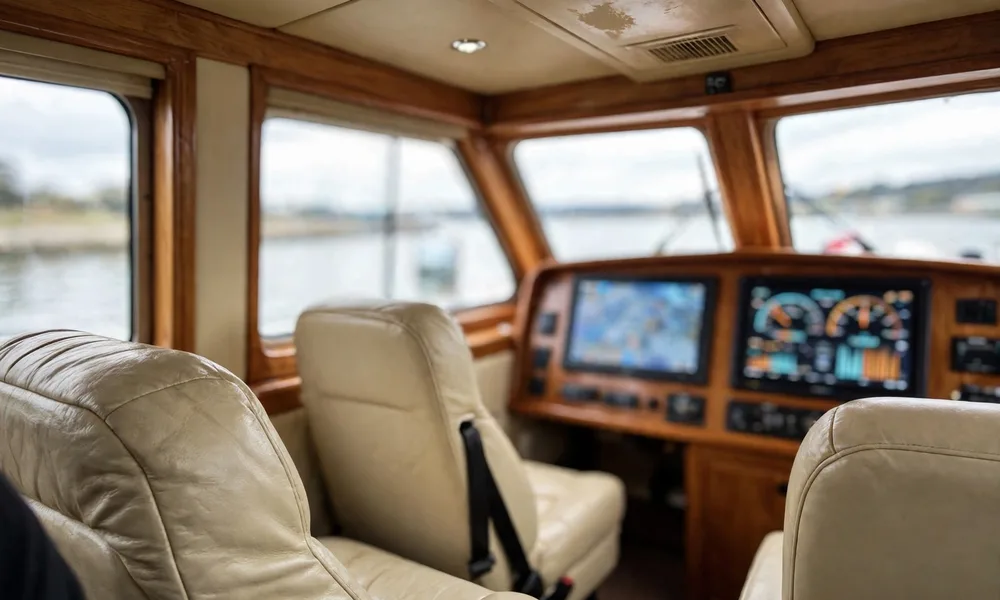
The hull of a luxury hovercraft is built from fibreglass or carbon composite, shaped to deflect spray and to survive the occasional bump against a rock or a jetty. Inside, the cabin is where the luxury lives. Seats are arranged like a small lounge, with leather upholstery, heating, and large windows that give every passenger a view of the water rushing past below. The dashboard carries a GPS plotter, a depth gauge for shallow water, and a display that shows the cushion pressure and the fan speed. Soundproofing is built into the walls and the floor, because the fans are loud outside and the cabin is meant to feel calm.
Step 5: Riding over water, land, and ice
A hovercraft does not care what is underneath it. On water it rides on the cushion and the hull never touches a wave. On sand or mud it slides on the skirt. On ice it glides with almost no resistance at all, which makes it one of the few craft that can work through a frozen winter. The driver reads the surface ahead and adjusts the lift and the speed, lifting higher over rough ground and easing off on smooth water. Big ships solve the same access problem differently, as shown in our guide to how a luxury car carrier works, which moves cargo on a very different scale.
Step 6: Braking and landing
Stopping a hovercraft takes planning, because there are no brakes in the usual sense. The driver cuts the thrust and lets the drag of the skirt slow the craft, or reverses the fan buckets to push air forward and bring it to a halt. To land, the driver reduces the lift, and the craft settles gently onto its skirt and then onto its hull, the air sighing out from underneath. On a hard surface the craft sits on wear pads built into the bottom of the hull, and on soft sand it simply sinks a few centimetres into its own cushion until it rests.
Step 7: Maintenance and the skirt check
After every trip the skirt is inspected, because a torn segment means a leaking cushion and a craft that will not lift properly. Crews walk around the craft with a light, checking each finger for wear, and they replace any segment that is frayed or split. The fans are checked for damage from debris, the engine oil is checked, and the hull is washed down to remove salt. A well-maintained hovercraft can run for decades, but a neglected skirt will ground it faster than any engine fault. The same discipline of constant inspection keeps other unusual machines in service, including the tracked snow machines in our guide to how a luxury snowcat works.
Specifications
| Specification | Typical luxury hovercraft |
|---|---|
| Length | 8–12 metres |
| Beam | 3.5–5 metres |
| Passenger capacity | 6–12 passengers |
| Engine | 200–400 hp petrol or diesel |
| Hover height | 15–25 cm |
| Top speed | 70–90 km/h |
| Range | 200–400 km |
| Lift system | Centrifugal lift fan, segmented skirt |
| Thrust | Ducted rear fan with rudders |
| Surfaces | Water, sand, mud, ice, grass |
Price
A new luxury hovercraft typically costs an estimated $150,000 to $500,000, depending on size, cabin finish, and engine power, with the largest twelve-passenger models reaching beyond $600,000. That estimate covers the craft itself; skirt replacements, which are a regular running cost, usually run into the thousands of dollars a year.
A rare fact
Because a hovercraft rides on air, it leaves almost no wake, and it can cross a beach full of nesting birds or a shallow reef without disturbing either. A few luxury operators use that trick deliberately, running silent dawn trips over tidal flats where no boat could go without grounding, and the craft’s skirt leaves only a faint ripple in the sand behind it.