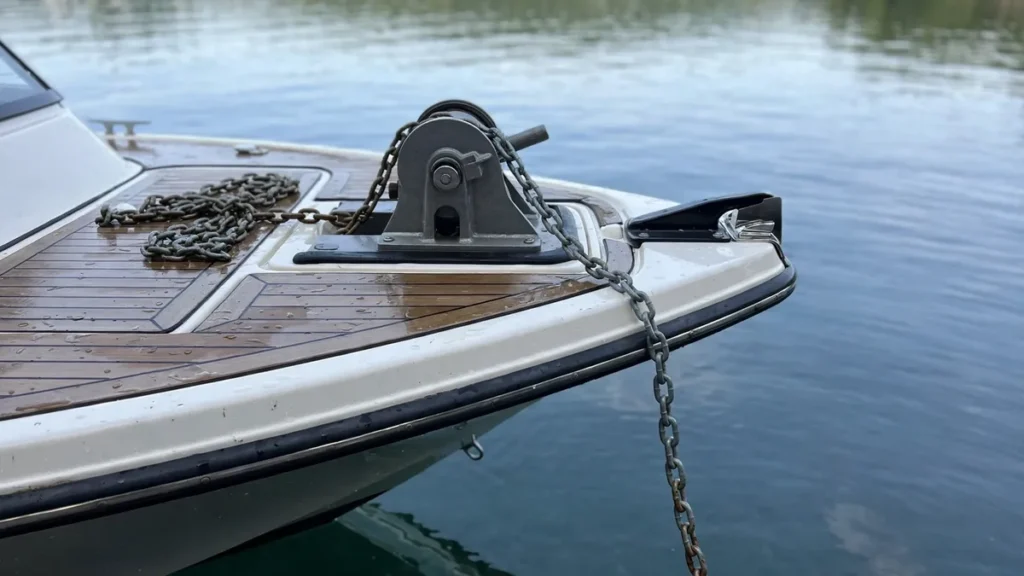
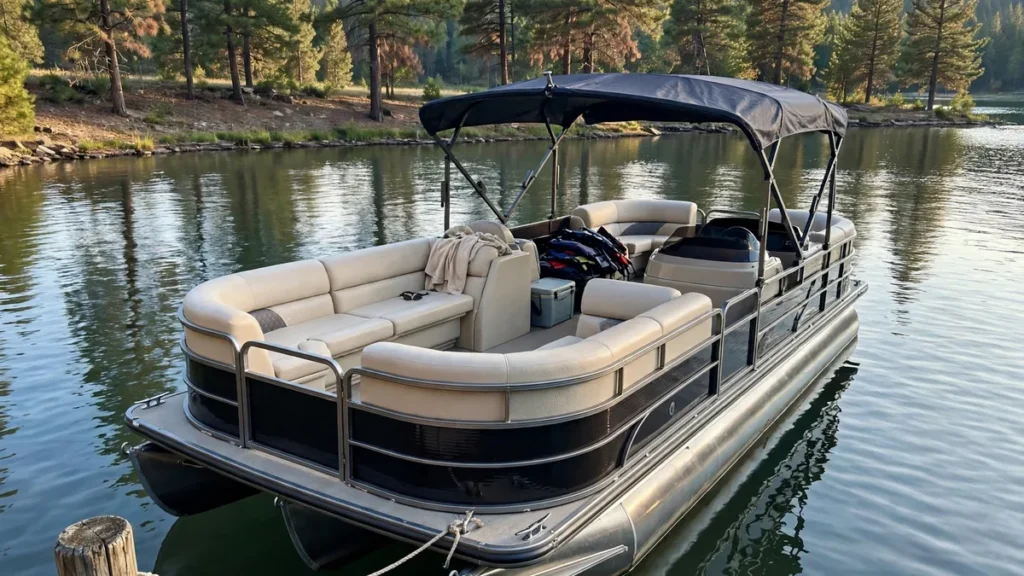
On a superyacht, the anchor is not a small piece of hardware. On a 50-metre yacht it can weigh the best part of a tonne, and the chain that goes with it can weigh several tonnes more. No crew could haul that by hand, and no ordinary winch could hold it safely. That job belongs to the anchor winch, usually called a windlass: a machine built to lower hundreds of kilograms of steel to the seabed, hold the yacht against wind and current all night, and drag it all back up again in the morning.
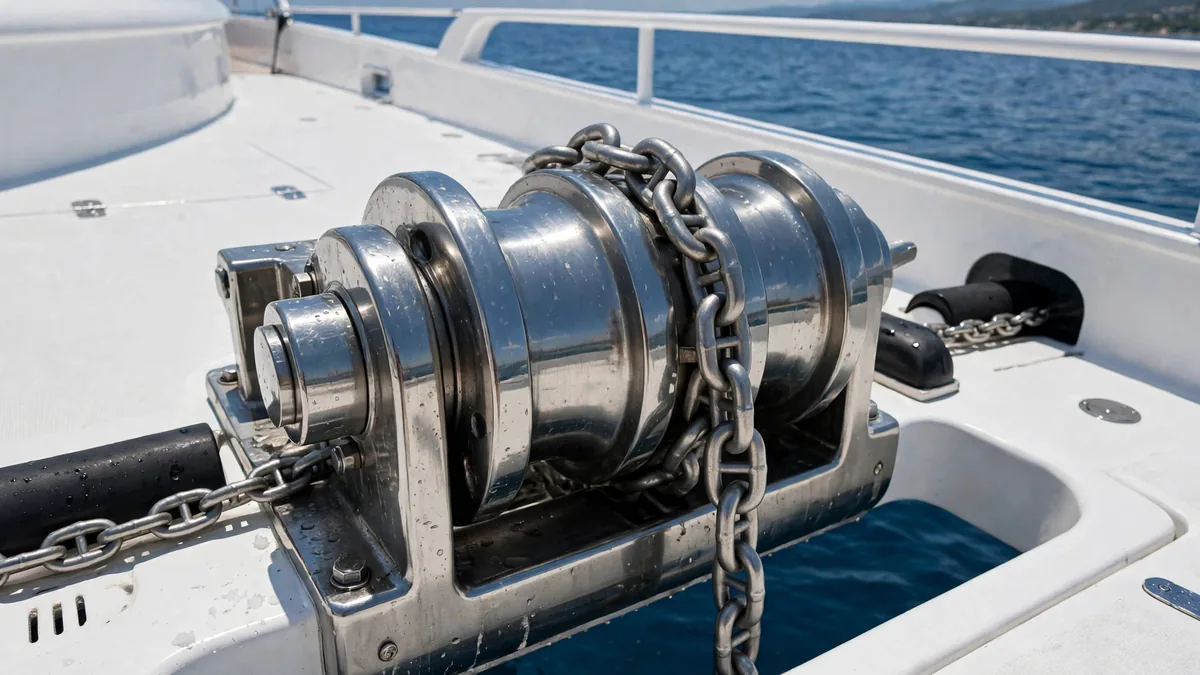
The windlass sits on the foredeck, usually in the centre, just behind the bow. From the deck you mostly see a polished drum, a chain wheel and a set of controls. Below deck is the real machine: an electric or hydraulic motor, a gearbox, and a brake that can hold the full weight of the chain without any power at all. To understand the windlass, you need three things: the chain wheel that moves the chain, the brake that holds it, and the procedure the crew follows so the anchor does its job.
What the windlass actually is
A windlass is a winch designed for one specific load: an anchor chain. A superyacht at anchor is not held by the weight of the anchor alone. It is held by the weight of the chain lying on the seabed, which acts like a long, heavy spring, absorbing gusts and small movements before the anchor itself ever feels a pull. The windlass has to manage that whole system smoothly, because a chain that runs away under its own weight can destroy the machine and injure the crew.
Most modern superyacht windlasses are driven by a hydraulic motor, with electric motors common on smaller yachts. Hydraulic drive is popular because it gives huge torque at very low speed and can hold a load without overheating, which is exactly what hauling a heavy anchor demands. The motor turns a gearbox, usually a worm gear or a planetary set, which reduces the speed and multiplies the torque further. A typical windlass hauls chain at only 10 to 15 metres per minute, which sounds slow until you remember what it is lifting.
The gypsy and the chain
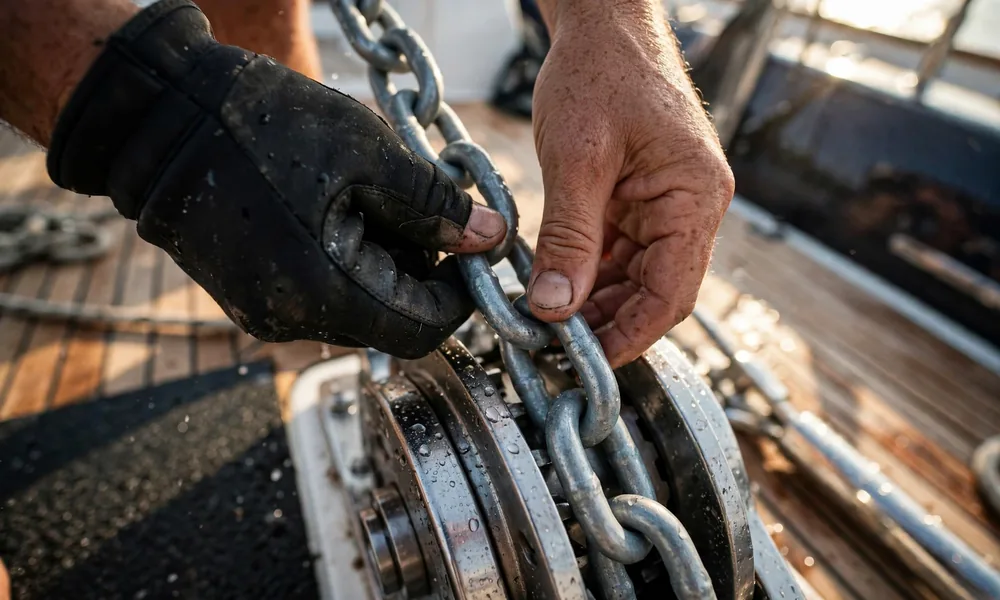
The part of the windlass that touches the chain is called the gypsy, sometimes spelled gipsy. It is a wheel with pockets cast into its rim, each pocket shaped to fit one link of the chain. As the gypsy turns, a link drops into a pocket, the wheel pulls it through, and the next link follows. When the fit is right, the chain and the wheel move as one, with no slipping and no grinding. When the fit is wrong, because the chain is worn or the wrong size, the links ride up out of the pockets and jump, damaging both the chain and the wheel.
The brake: the part that does the holding
Here is the detail that surprises people: when a yacht is sitting at anchor, the windlass is not holding it. The brake is. A band brake or disc brake clamps the gypsy shaft, and once it is set, the chain cannot move at all, even with no power to the motor. This is deliberate. A motor can fail, a hydraulic hose can burst, and power can be lost, but a mechanical brake that is already clamped stays clamped, and the yacht stays put.
That is also why the crew transfers the load off the windlass once the anchor is set. They use a chain stopper, a short length of heavy chain or a mechanical devil’s claw hooked onto the anchor chain, to take the strain. The stopper is secured to a strong point on deck, and the windlass brake is then eased off. If the yacht surges in a gust, the load goes into the stopper and the deck structure, not into the windlass gears. Leaving the full anchoring load on the windlass is one of the classic mistakes in yachting.
Anchoring, step by step
A good anchoring starts before the anchor ever moves. The crew checks the depth, the bottom type and the wind, and works out how much chain to use. The rule of thumb is a scope of about five times the depth in calm conditions, and more when the wind is expected to rise, because the chain needs to lie along the seabed so the pull on the anchor stays horizontal. An anchor pulled upwards loses its grip; an anchor pulled along the bottom digs in.
With the yacht moving slowly astern, the crew releases the brake and lets the anchor drop, then pays out chain as the yacht moves back. The anchor lands, the chain stretches out along the bottom, and as the yacht continues astern the anchor digs in. The crew then sets it by reversing gently against it, watching the chain. If the anchor is holding, the chain comes bar-tight and the yacht stops. If it is dragging, the chain stays slack or the yacht keeps moving, and the crew hauls it back and tries again.
Once the anchor is set, the crew takes up the slack until the right scope is out, sets the stopper, and eases the brake off. The bridge checks the position on the plotter and sets an anchor alarm, which warns if the yacht moves outside a small circle. From that moment the windlass has finished its work until morning. Anyone wondering how the rest of the system fits together can find the wider picture in a guide to how a yacht anchor system works as a whole.
Weighing anchor: getting it back
Retrieval is the reverse, and it is where the windlass earns its keep. The crew motors slowly forward over the anchor while the windlass hauls the chain in, keeping the pull as close to vertical as possible. Dragging a dug-in anchor sideways through the bottom takes enormous force, so the yacht drives up to it instead, and the windlass takes up the chain as the yacht moves. As the chain shortens, the yacht is pulled forward until it is directly over the anchor.
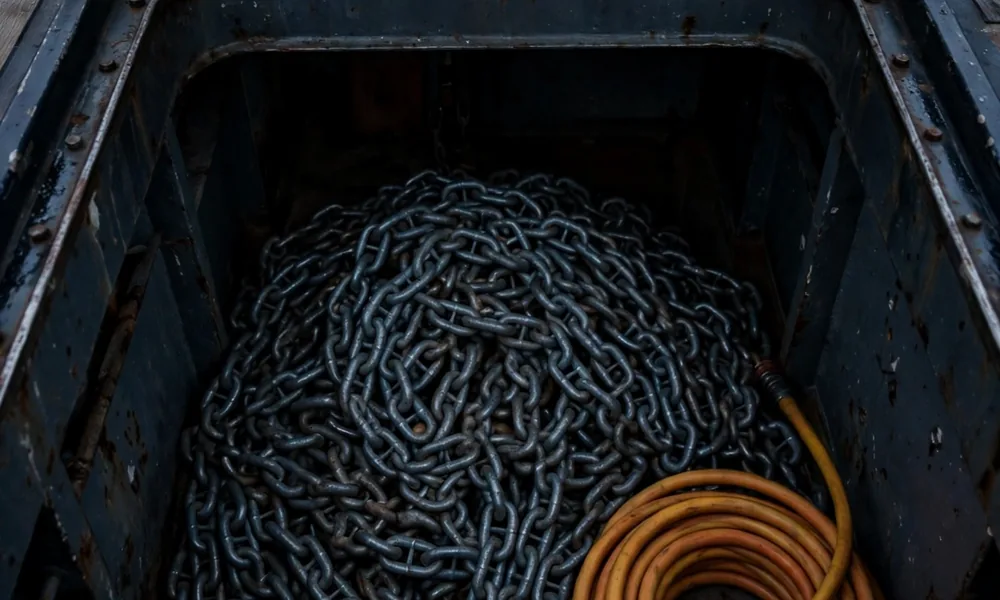
When the chain is vertical, the anchor breaks out of the bottom. The crew knows the moment it happens: the load on the windlass suddenly falls and the chain goes slack for a second. The windlass then hauls the anchor up to the bow roller, where it seats into the stem. A wash-down hose rinses mud and weed off the chain as it comes up, because mud in the chain locker rots and hides corrosion. Choosing the right machine for this job is a matter of matching the windlass to the yacht’s ground tackle, which is why the best yacht anchor windlasses ranked is a useful comparison before a refit.
What goes wrong and how crews avoid it
None of this is glamorous, and the windlass gets none of the attention the bridge or the saloon receives. But on a superyacht it is one of the few machines that stands between the yacht and the rocks, and it works by doing three unglamorous things well: gripping the chain without slipping, holding it with a brake that needs no power, and hauling it back when the crew asks. For the fine detail of drum sizes, pull ratings and power draw, a look at yacht winch specs explained shows what the numbers mean in practice.