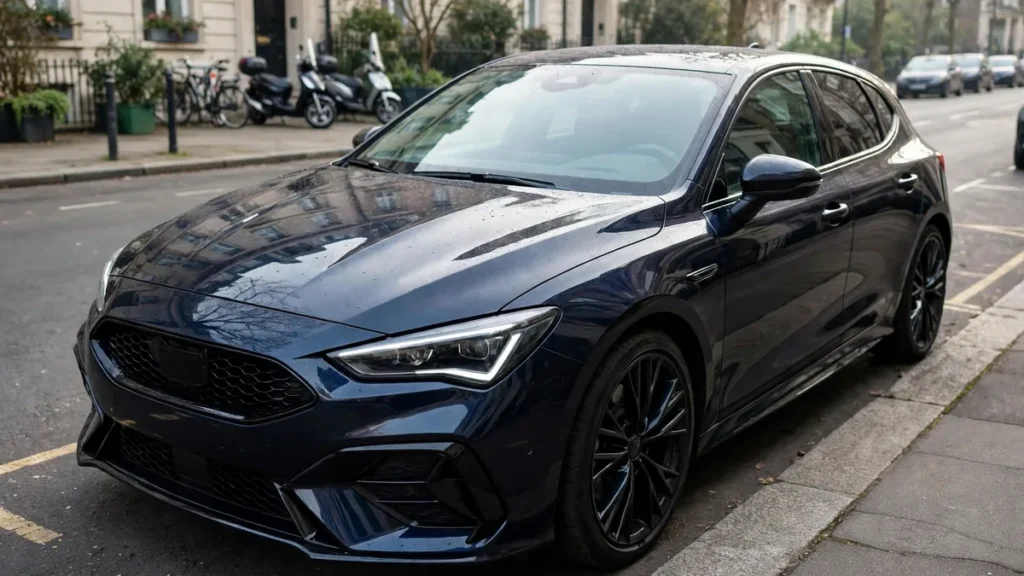
At the traffic lights on a rainy morning, the sedan sat in silence while the cars around it idled and shivered, their exhausts puffing white in the cold air. When the light turned green the sedan moved off without a sound, gliding through the first few streets on electricity alone, and only when it reached the open road did the petrol engine wake, so quietly that the driver noticed it first on the dashboard display rather than in his ears.
That car is a luxury hybrid sedan, and its spec sheet is a list of numbers that mix two kinds of power, petrol and electric, so it reads like two sheets folded into one. This guide explains those numbers in plain English, one system at a time, so the sheet reads like a description of a machine instead of a puzzle.
Two power sources: the petrol engine and the electric motor
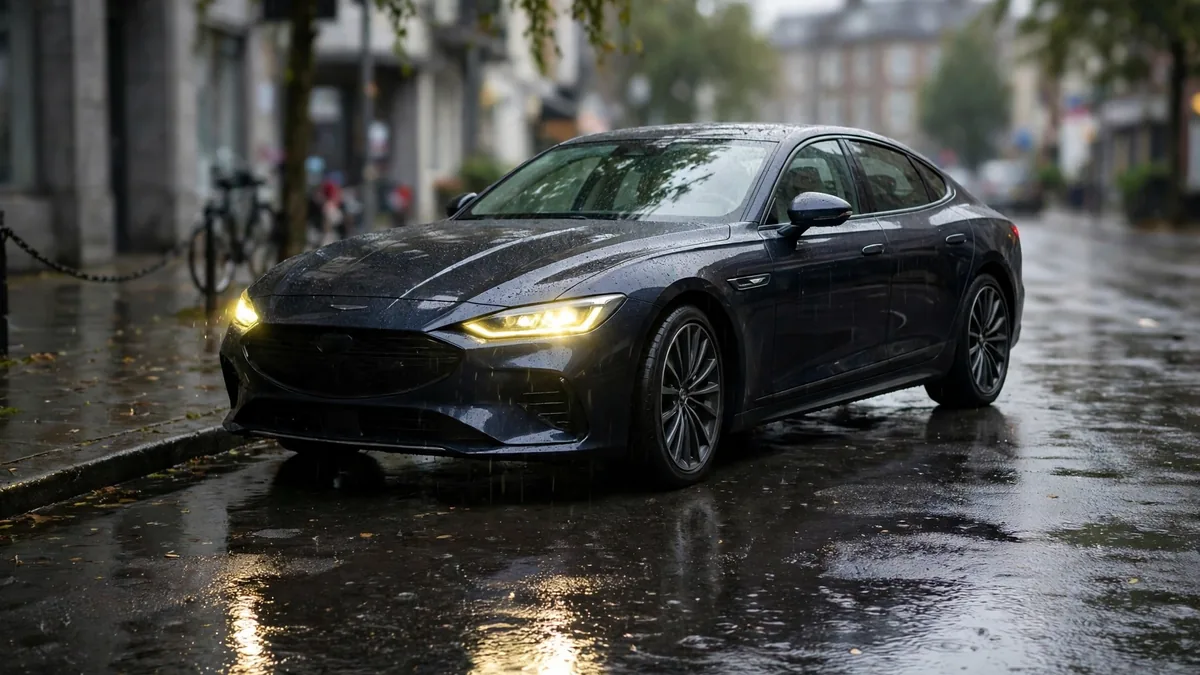
The first numbers describe the two power sources, a petrol engine of around two litres, often turbocharged, and an electric motor of around a hundred kilowatts, working together through a gearbox. The sheet lists the combined power, usually around three hundred horsepower, and the torque, because the two sources add their strength together when the driver asks for full acceleration. The guide to luxury sedan specs, decoded sets out how a plain luxury sedan lists a single engine figure, and the hybrid borrows the same idea with a twist: the headline number is the sum of two machines, and the car decides, moment by moment, how much of each to use.
Battery and electric-only range: the quiet city miles
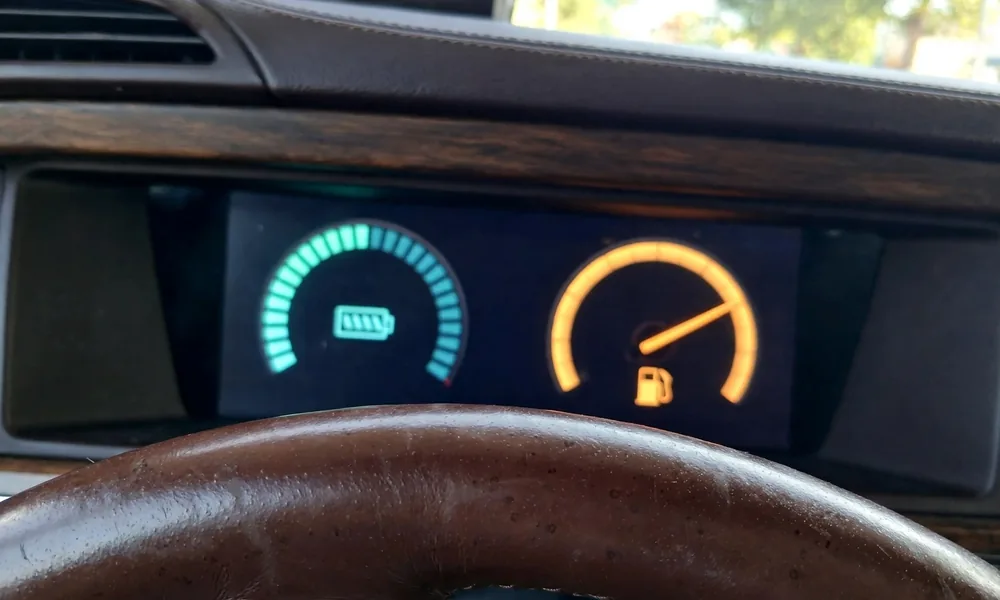
The next numbers describe the battery, usually between ten and twenty kilowatt-hours in a plug-in hybrid, and the electric-only range, often around fifty to eighty kilometres. That range is the distance the car can travel in the city without burning any petrol at all, which is why the sheet lists it separately from the total range, and why a hybrid sedan feels like an electric car on short trips and a petrol car on long ones.
Fuel economy and total range: how far one tank stretches
The next numbers are the fuel economy and the total range, and they are the ones that surprise new owners most. A luxury hybrid sedan can return around two litres per hundred kilometres in gentle driving, and its total range, petrol and electric together, can pass a thousand kilometres, because the engine runs at its most efficient speed while the motor handles the stop-start work.
Acceleration and driving modes: smooth, then sudden
The next numbers describe the acceleration, usually zero to a hundred kilometres an hour in around five to six seconds, and the driving modes the car offers, including electric, hybrid, sport and a mode that saves the battery for later. In electric mode the car is silent and smooth, in hybrid mode it balances the two sources for economy, and in sport mode it uses both at once for the strongest acceleration, so the same car can feel like three different machines depending on the button the driver presses. The guide to what a luxury hybrid car really costs explains why a hybrid car costs more to build than a plain petrol car, and the sedan shares the same lesson: two power sources, two cooling systems and a battery all have to fit into one body, and the engineering is what the buyer pays for.
Comfort and quiet: the luxury part of the sheet
The next numbers describe the comfort, and they are what make the sedan a luxury car rather than an economy hybrid. The sheet lists the leather seats, the air suspension that smooths a rough road, the double-glazed windows and the active noise cancelling, which works with the electric motor to keep the cabin almost silent at city speeds. The cabin noise is measured in decibels, and a hybrid sedan is quieter than a petrol sedan at low speed, because the engine is often switched off entirely, leaving only the tyres and the wind to be heard.
Weight, boot and safety: the compromises the sheet admits
The last numbers describe the weight, the boot space and the safety systems, and they are the ones that show the hybrid’s compromises honestly. A luxury hybrid sedan weighs around two thousand kilograms, heavier than a petrol sedan because of the battery and the motor, and its boot is smaller, usually around four hundred litres, because the battery sits under the floor. The sheet lists the safety systems, including automatic emergency braking, blind-spot warnings and a five-star crash rating, and the guide to how a luxury sedan works follows how those systems work together in a plain luxury sedan, and the hybrid uses the same protection, with the battery armoured underneath the cabin.
The spec sheet at a glance
| Specification | Typical luxury figure | What it tells you |
|---|---|---|
| Combined power | Around 300 horsepower, petrol plus electric | How strongly the car accelerates |
| Petrol engine | Around 2.0 litres, often turbocharged | What drives the car on long journeys |
| Electric motor | Around 100 kilowatts | What drives the car silently in the city |
| Battery | Around 10 to 20 kilowatt-hours, plug-in hybrid | How much electric energy the car stores |
| Electric-only range | Around 50 to 80 kilometres | How far the car goes without petrol |
| Total range | Over 1,000 kilometres, petrol and electric together | How far one tank and one charge stretch |
| Fuel economy | Around 2 litres per 100 kilometres in gentle driving | How little fuel the car uses |
| Acceleration | 0 to 100 kilometres an hour in around 5 to 6 seconds | How quickly the car picks up speed |
| Weight | Around 2,000 kilograms | Why the car feels solid and planted |
| Boot space | Around 400 litres | How much luggage fits behind the seats |
What it costs
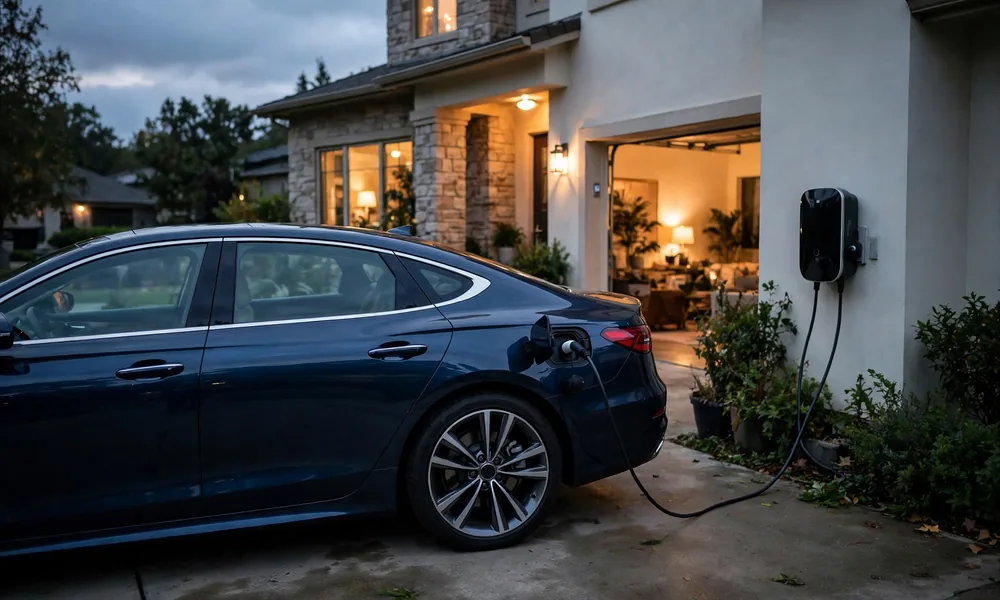
A luxury hybrid sedan typically costs an estimated $60,000 to $110,000, depending on the battery size, the trim and whether it is a plug-in model. The estimate covers the car alone, not the home charger, the insurance or the servicing, which are a real part of owning a hybrid, and which the owner pays over the years the car stays on the road.
A rare fact
One detail few drivers ever learn is that a hybrid sedan can charge its own battery while braking downhill, turning the weight of the car and the slope of the road into electricity, so a long descent can add several kilometres of electric range without a drop of petrol. The motor becomes a generator when the driver lifts off the pedal, and the spec sheet lists that recovery power in kilowatts, a quiet number that turns every hill into a small fuel station.
Read the sheet in that order, power first, then battery, economy, acceleration, comfort and weight, and the numbers stop looking like a code and start looking like a description of a machine. The best hybrid sedans are not the ones with the biggest single number, but the ones whose numbers agree with each other, a battery the city can use, an engine the motorway can trust, and a cabin the driver can sit in for hours without tiring.