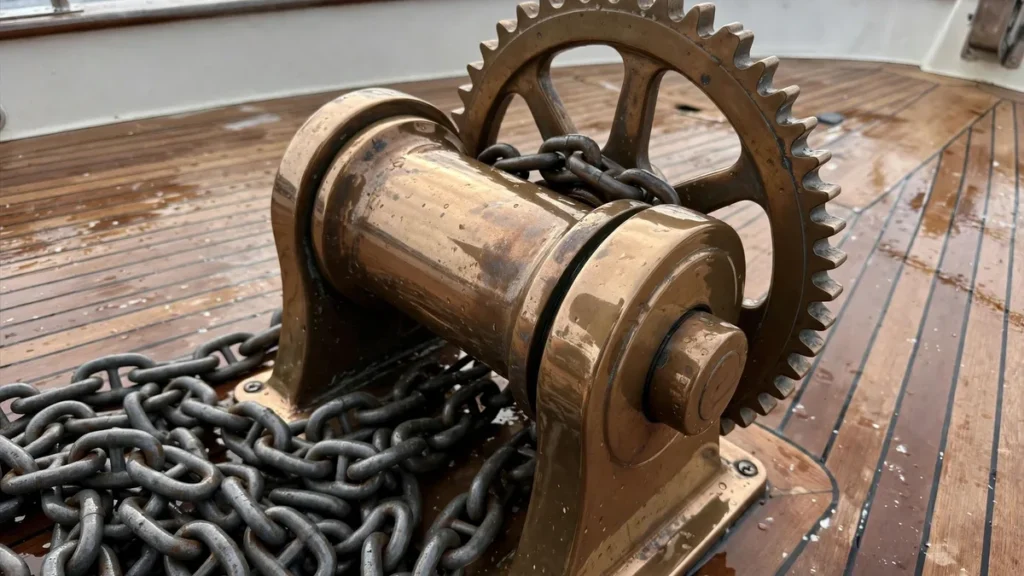
At the very front of a submarine, behind a set of round steel doors, sits one of the oldest machines on the boat: a tube about as wide as a man is tall and several metres long, built to hold a long cylindrical device, flood itself, and push it out into the sea. It sounds simple, and it is anything but: the tube must hold back the full pressure of the sea when shut, and open its outer door only when the inner door is sealed.
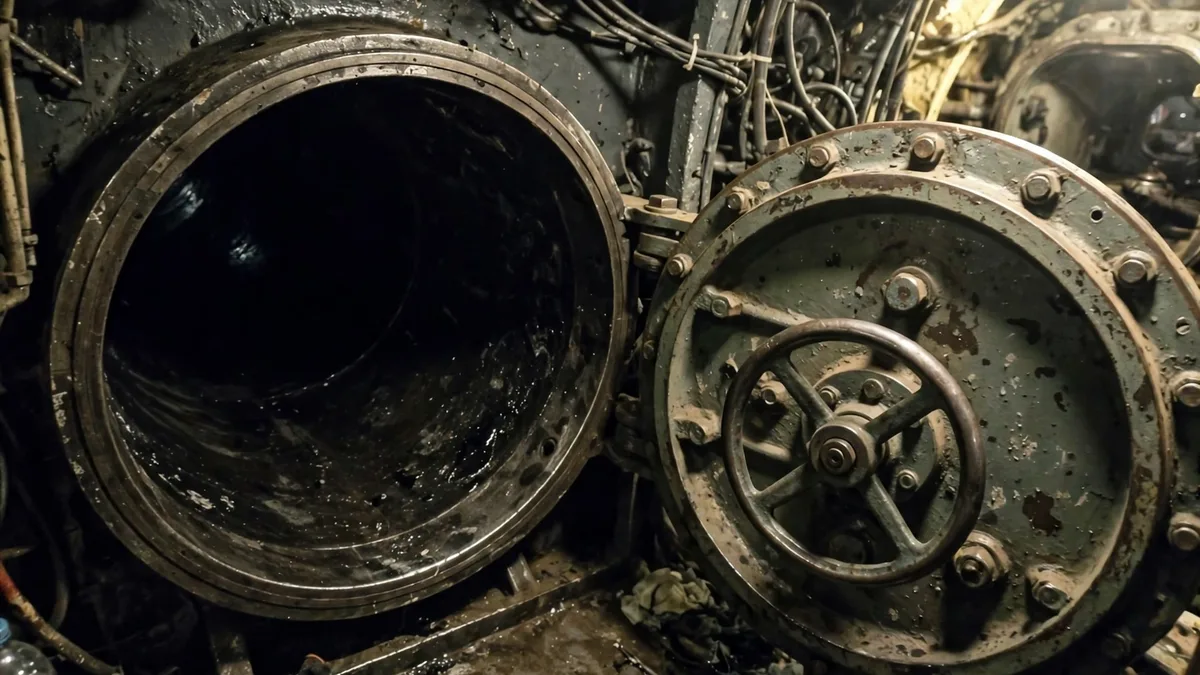
The torpedo tube specification sheet is where that demanding job is written down. It lists the bore diameter, the length of the tube, the pressure the doors and seals must hold, the force that drives a device out, and the interlocks that make it impossible to open both doors at once. Each one decides whether the tube is safe to use at depth, and whether the boat comes home dry.
This guide walks through the figures on a luxury submarine torpedo tube specification sheet and explains what each one means in plain language, so the next time you see a tube figure in a brochure you will know what you are actually looking at.
Luxury Submarine Torpedo Tube Specs at a Glance
| Specification | Small Luxury Boat | Mid-Size Boat | Large Boat |
|---|---|---|---|
| Tube bore diameter | 533 mm | 533 mm | 650 mm |
| Tube length | 6–7 m | 7–8 m | 8–9 m |
| Design depth rating | 200–300 m | 300–400 m | 400–500 m |
| Launch impulse pressure | 15–20 bar | 20–25 bar | 25–30 bar |
| Flood and drain time | 60–90 seconds | 60–90 seconds | 90–120 seconds |
| Number of tubes | 2–4 tubes | 4–6 tubes | 6–8 tubes |
Bore and Length: The Size That Decides Everything
The first figures on the sheet are the bore diameter and the length of the tube, and they decide what the boat can carry. The standard bore is 533 millimetres, about the width of a man’s shoulders, and it has been the common size for decades. Larger boats may fit a 650 millimetre tube, which takes a bigger device but also far more steel, more space in the bow, and a heavier door.
Length matters just as much. A tube of 6 to 9 metres must hold its device on guide rails with only millimetres of clearance, so the bore is machined straight and smooth along its whole length. Any bend or rough patch would let the device jam as it leaves, one of the worst problems a crew can face. The how a luxury submarine torpedo tube works guide shows the tube in action, but the bore and length figures are what decide whether it works at all.
Depth Rating: Holding Back the Sea
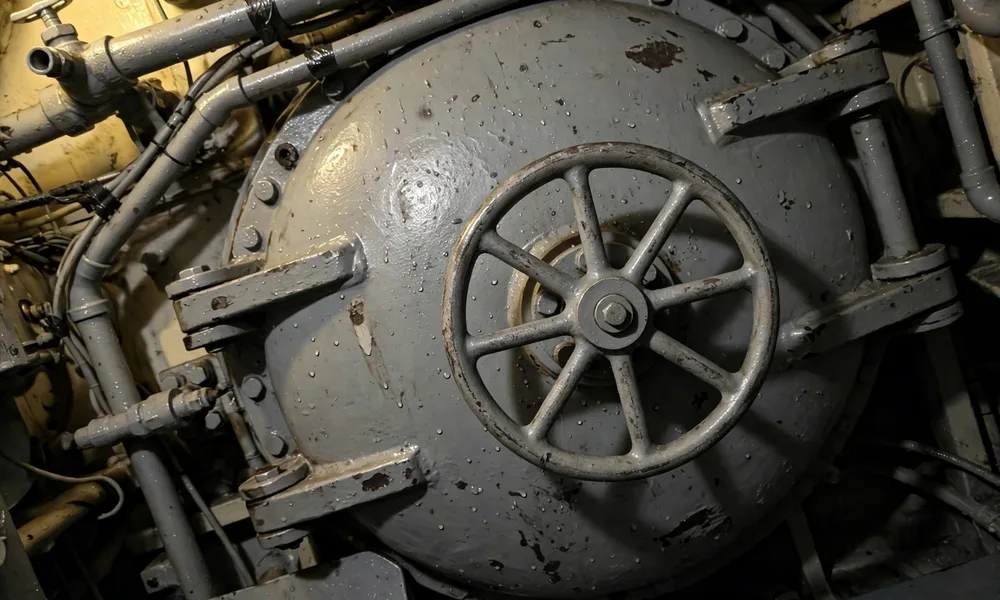
Design depth rating is the figure that makes a torpedo tube different from any other pipe on the boat. It records the depth at which the tube, its doors and its seals are built to hold back the sea, typically 200 to 300 metres on a small luxury boat and 400 to 500 metres on a large one. At 400 metres the water presses with about 40 kilograms on every square centimetre, so the outer door must resist many tonnes without leaking a drop.
That is why the tube walls are built as strongly as the pressure hull itself, and the doors are tested far beyond their rated depth before the boat leaves the yard. The test is brutal on purpose: the tube is flooded and pressurised while inspectors watch for the smallest weep at a seal, because a seal that weeps at test depth would fail at working depth. The doors also carry a mechanical interlock, a linkage that makes it physically impossible to open both doors at the same time, because a single mistake there would flood the boat.
Launch Pressure and Timing: The Push Out
Launch impulse pressure is the force that drives a device out of the tube, measured in bar, and it usually runs from 15 to 30 bar depending on the size of the boat. The push comes from behind, a piston driven by water pressure or a burst of compressed air, and it must be strong enough to clear the device quickly, but gentle enough not to damage it. Too weak and it stalls halfway out; too strong and the shock knocks it off its rails.
Flood and drain time, usually 60 to 120 seconds, is how long it takes to fill the tube before launch and empty it again afterwards. The tube must be full of water at exactly the sea’s pressure before the outer door opens, or the sea would rush in with great force. The crew flood slowly, venting air out through a valve at the top, until the inside pressure matches the outside. The submarine diving plane specifications cover another part of the boat’s underwater control, but the tube figures are the ones that decide whether a launch is safe.
Number of Tubes and the Bow They Shape
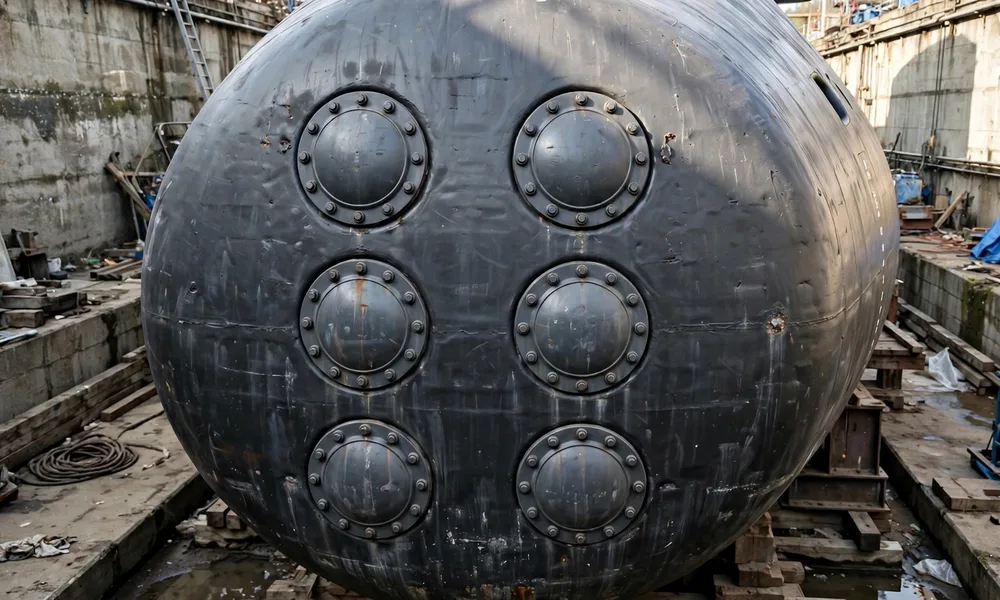
The sheet also lists the number of tubes, usually 2 to 4 on a small boat and 6 to 8 on a large one, and that number shapes the whole bow. Each tube needs its own door, rails, flood and drain valves, and working space in the torpedo room. Fitting eight tubes into a bow only a few metres across is a packing puzzle, solved by arranging them in staggered rows so the doors fit without weakening the hull.
More tubes do not simply mean more capability. Every tube is a hole through the pressure hull, and every hole is a place where the sea can get in if a seal fails. The designers therefore balance tube count against bow strength, working space, and the weight of all that steel at the front of the boat. The how a luxury submarine works guide sets the wider picture, and the tube count is the part of that picture the bow is built around.
A Rare Fact About Torpedo Tubes
Here is a detail that surprises people who have never stood in a torpedo room. The same tubes that launch devices can also be used to bring things in, and on some boats they are the only way to get a large object aboard or ashore while the boat is submerged. A tube can be flooded and opened to the sea to pass equipment out or take samples in, all without surfacing. It is a door to the ocean that works in both directions.
What the Specs Mean for You
If you are buying, chartering or simply touring a luxury submarine, the torpedo tube specification sheet tells you how seriously the boat was built. A standard bore, a generous depth rating, an interlock that cannot be defeated, and a launch system tested beyond its working pressure all point to a boat built by people who expect things to go wrong.
If the numbers are vague, or the depth rating is barely above the depth the boat is sold to reach, ask questions. The tube is not glamorous, but it opens the boat to the sea, and the only thing standing between the crew and the ocean is a steel door and a seal. A good tube specification is quiet, conservative and strong, and you can read all three in the figures before you ever step aboard.