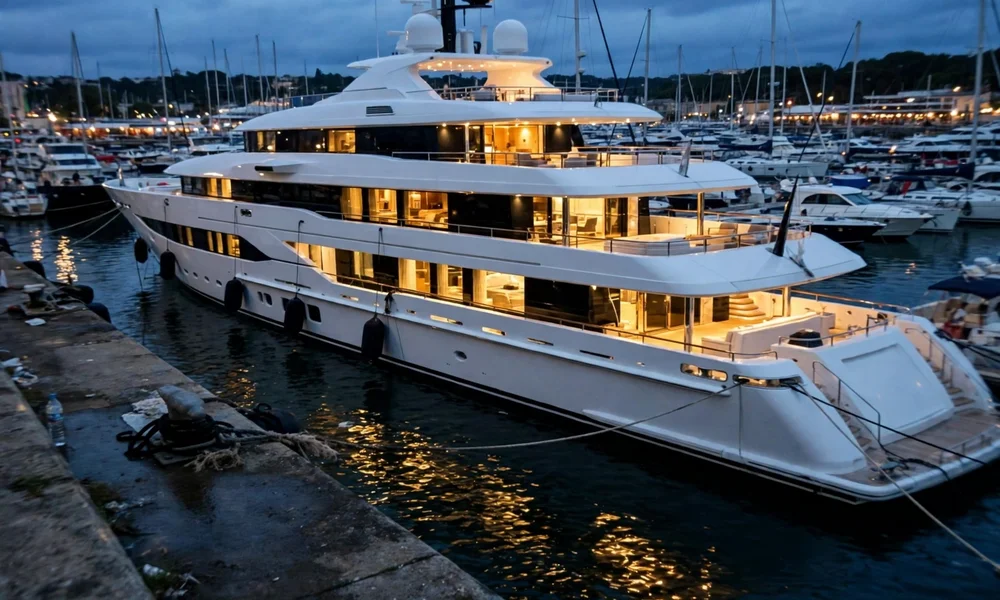
A superyacht and an explorer yacht both promise the sea on your own terms, but they promise it in opposite ways. One is built to be seen: sleek lines, vast glass, a beach club at the waterline, and a crew whose job is to make the Mediterranean feel effortless. The other is built to disappear: a working hull, long range, heavy fuel capacity, and the ability to keep going for weeks where there is no marina, no fuel dock, and no help nearby. The choice is not about budget alone, and it is not about size. It is about where you actually want to go, and what you want the boat to do when you get there.
Buyers often start by looking at length, because that is the number brokers quote first. That is the wrong place to start. A 50-metre superyacht and a 50-metre explorer yacht are different machines with different priorities, and the difference shows up in everything from hull shape to engine room layout. The superyacht is designed around guests and the experience of being on board. The explorer is designed around the voyage itself, and comfort is fitted into whatever the voyage allows. Understanding that trade is the whole decision.

What each one is built for
A conventional superyacht is a luxury platform. Its hull is shaped for speed and smooth running in fair weather, its superstructure is mostly glass and open deck space, and its interior volume is spent on guest cabins, saloons, and entertaining areas. The engineering serves the experience: quiet air conditioning, stabilisers that keep the gin still at anchor, and a tender garage full of toys. Most of the time these yachts move between well-known cruising grounds, from one marina to the next, rarely far from fuel, provisions, and a service yard.
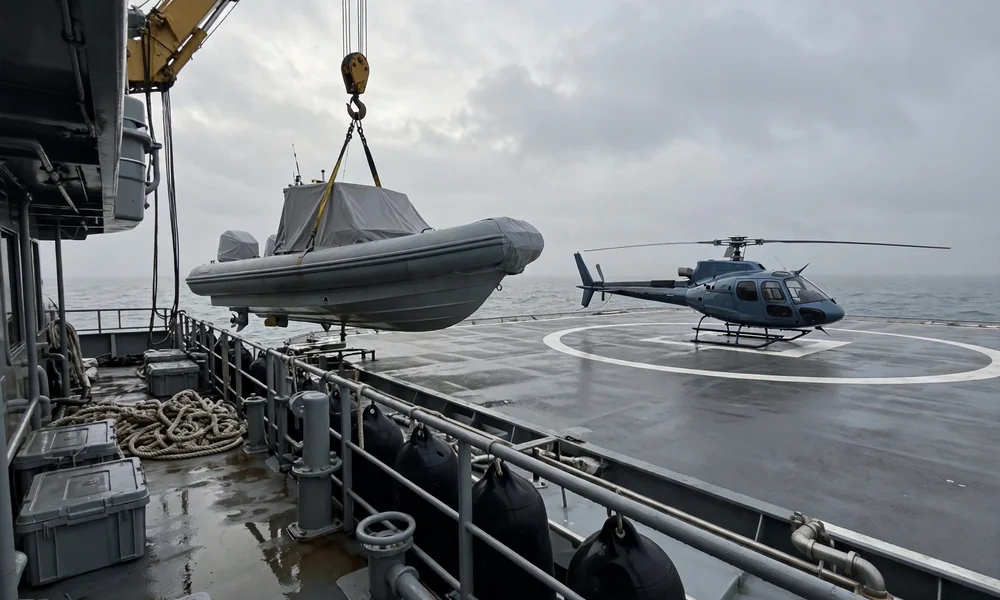
An explorer yacht starts from a different brief. Many are converted from, or inspired by, commercial and offshore vessels such as supply ships, tugs, and icebreakers. The hull is heavier and stronger, often built to an ice-class notation, with a bulbous bow and a displacement shape that favours endurance over speed. The deck carries working equipment — cranes, large tenders, helicopters, submersibles — rather than sun pads alone. Fuel tanks are bigger, water makers and stores are sized for long independence, and the crew spaces are more generous because the crew works harder and longer. The way a superyacht steel hull is made shows how much structure matters, but an explorer hull is taken a step further, with thicker plating and framing built for ice and heavy weather.
Range, autonomy and where they can go
Range is where the two types separate most clearly. A superyacht typically carries enough fuel for a few thousand nautical miles at economical speed, which is plenty for hopping between ports in the Mediterranean or the Caribbean. An explorer yacht is designed to cross oceans and then keep going, with fuel for many thousands of miles and the ability to refuel from drums or a supply vessel if needed. The practical result is that an explorer can reach Patagonia, the Arctic, or the South Pacific, spend weeks there, and come home without a fuel stop. A superyacht can visit those places only with careful planning and a support vessel.
Autonomy is not just fuel. It is spare parts, workshop space, water-making capacity, and a crew trained to fix things at sea. Explorer yachts carry machine shops, welding gear, and spares that a superyacht would never find room for. They also carry bigger tenders and landing craft, because the interesting anchorages have no docks. If your cruising ground is the Amalfi Coast, none of that matters. If it is Antarctica, nothing else matters.
| Superyacht | Explorer yacht | |
|---|---|---|
| Built for | Comfort, entertaining, known cruising grounds | Long passages, remote and polar waters |
| Hull | Sleek, fast, fair-weather optimised | Heavy, strong, often ice-class rated |
| Range | Suited to port-to-port cruising | Ocean-crossing, weeks of independence |
| Speed | Faster cruising and top speed | Slower, economical, steady in weather |
| On board | Beach club, pools, vast glass | Cranes, helideck, tenders, workshops |
Comfort and life on board
On comfort, the superyacht wins easily in calm water. Its stabilisers, lower noise levels, and huge open decks are designed for people who spend most of their time on board rather than ashore. The interior is the point: full-height windows, a main saloon that opens onto the aft deck, and cabins that feel like a hotel. An explorer yacht can be comfortable too, and the best ones are beautifully fitted inside, but the comfort is inside a working ship. Windows are smaller, decks are higher above the water, and the motion in a seaway is different — steadier, but with more roll in some conditions. The way yacht stabiliser fins are made explains how both types fight roll, but the explorer relies on its hull and ballast as much as on its fins.
Cost, crew and running the boat
Explorer yachts are often cheaper to buy per metre than a glossy superyacht of the same length, because the money goes into structure and systems rather than interior finish. Running costs tell a different story. A bigger crew, heavier maintenance, higher fuel capacity, and the wear of long ocean passages all add up, and polar equipment such as ice-class certification and heated decks is expensive to keep in class. A superyacht costs more to berth in a prime marina and more to keep polished, but its passages are shorter and its systems are familiar to every yard in the Mediterranean. Neither type is cheap; they are expensive in different places.
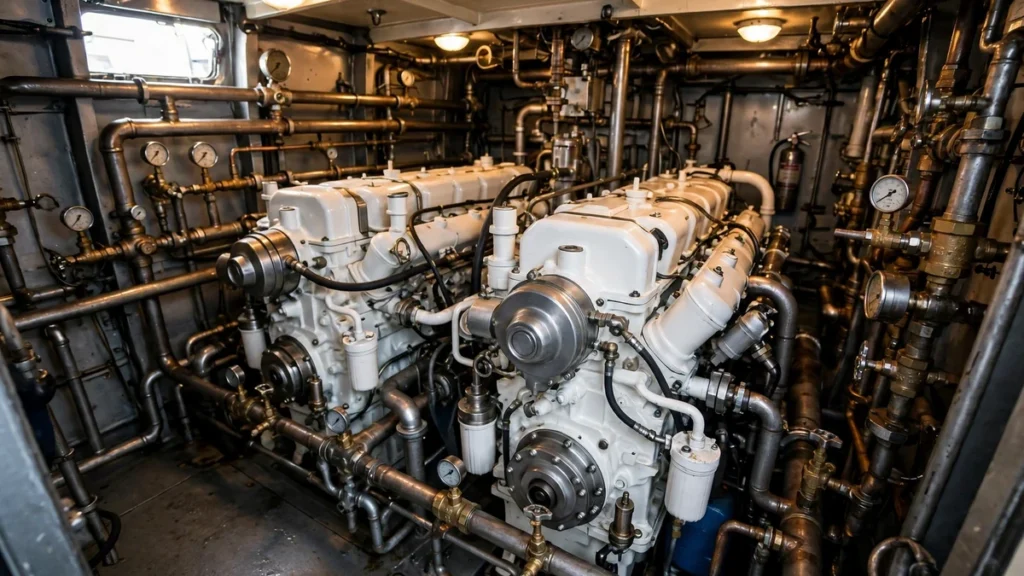
Crew matters more than most first-time buyers expect. An explorer yacht needs a crew comfortable with remote operations: engineers who can rebuild a pump at sea, a captain with polar experience, and deck crew who can launch a tender in a swell. That crew is harder to find and harder to keep. A superyacht crew is easier to recruit, but the service standard is higher, and the owner is paying for hospitality as much as for seamanship. The way a superyacht engine room is made shows how much machinery either boat hides below decks, and the explorer simply carries more of it, with more redundancy.
The verdict
Choose the superyacht if your cruising is social, seasonal, and centred on the Mediterranean, the Caribbean, or the Riviera, and if the time on board matters more than the distance travelled. You will be faster, more comfortable, and closer to everything you need. Choose the explorer yacht if the destination is the point — the Arctic, the Antarctic, the far Pacific — and if you want to stay there for weeks without depending on anyone. The explorer trades speed and polish for reach and resilience, and for the owner who wants that trade, no superyacht will do.
The honest test is a map, not a brochure. Plot the five places you most want to visit in the next five years, then ask whether each boat can get there, stay there, and get home without support. If the answer is yes for both, buy the superyacht and enjoy it. If the answer is yes only for the explorer, the choice has already been made for you. The best yacht is not the biggest or the most luxurious. It is the one that takes you where you actually want to go.