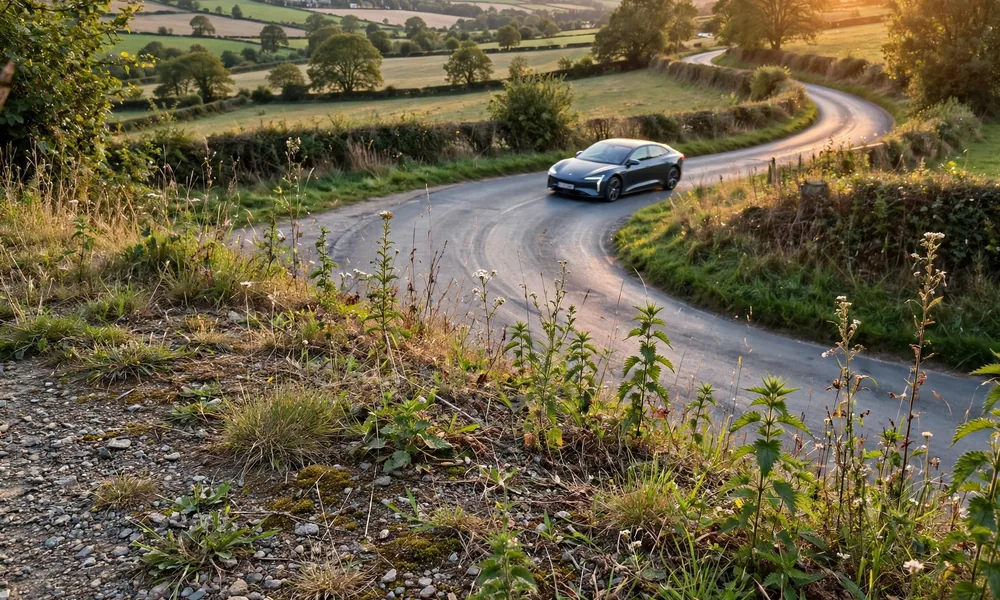
The electric car solved the gearbox by deleting it. One motor, one gear, instant torque from standstill: the single-speed electric car is simpler, smoother and faster than anything with a gearbox could ever be, and on paper there is nothing left to argue about. The car is quicker than ever and less involving than ever, and the two facts are connected.
This is a case for the manual gearbox in ordinary electric cars, not in hypercars. The case for manual gearboxes in hypercars argues the point at the exotic end of the market, where engagement is the whole product. The argument here is broader and more practical: a manual gearbox would make mainstream electric cars more enjoyable, more efficient in the real world, and more connected to the road, and the technology to do it already exists. And the drivers who would buy one are already waiting, holding on to ageing petrol cars because nothing electric has yet offered them the same involvement.
Driving is a skill, and skills need something to do
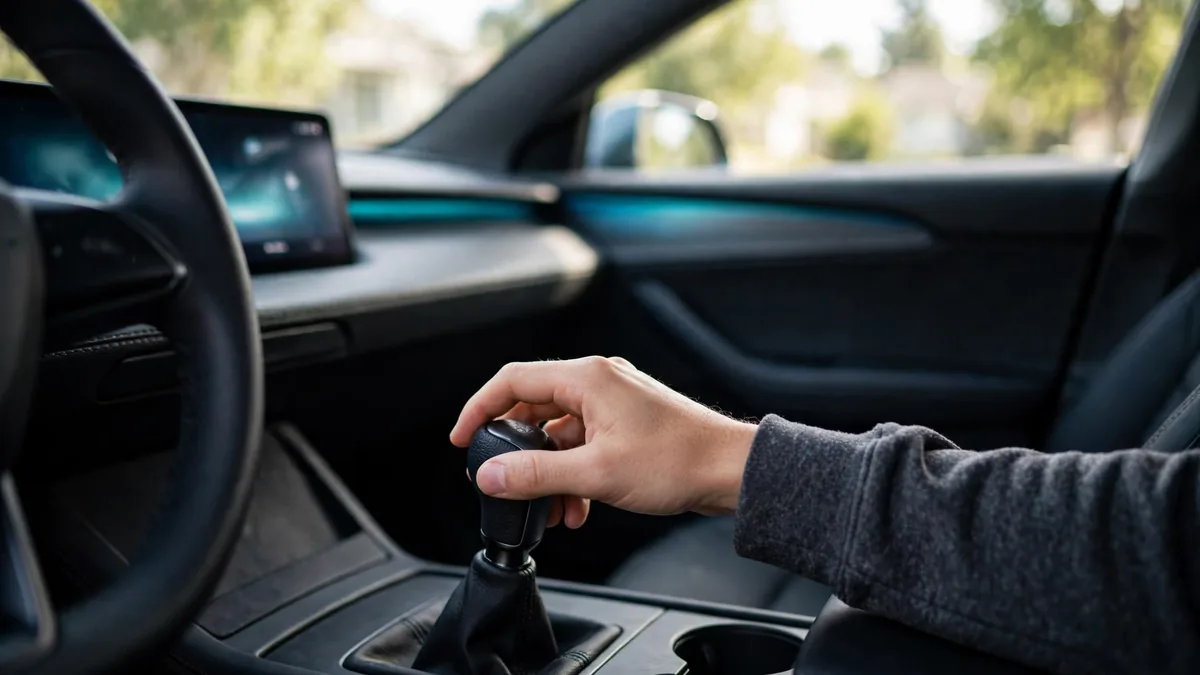
A car is one of the few machines where the operator is also the enthusiast, and the manual gearbox is the main reason why. Choosing a gear, matching revs, timing a downshift before a corner: these are small acts of judgement, repeated hundreds of times on a drive, and they are what turn a journey into driving. Take them away and the driver becomes a passenger who happens to steer, watching the road go by while the car does the interesting work.
Electric cars make this worse because they are so competent. Instant torque and silent running mean the car is always ready, always smooth, always fast, and the driver has almost nothing to manage. A manual gearbox would give the driver a role again: a reason to pay attention, a skill to practise, and a sense that the speed of the car is something they produced rather than something that happened to them.
A gearbox makes an electric car feel faster
There is a strange paradox in fast electric cars: they are astonishingly quick and oddly forgettable. A single-gear electric car accelerates in one long, seamless surge, and the brain quickly files it under background noise. There is no build, no shift, no change in sound or effort to mark the speed arriving. It is fast in the way a lift is fast: impressive for a moment, then boring.
Gears break that surge into chapters. Each gear has its own character, its own pull, and its own moment to change, and the driver feels the car working through them. A manual electric car with a well-chosen set of ratios would feel quicker than its acceleration figures suggest, because the driver would experience the speed in stages rather than in a single blur.
Control matters most when conditions turn bad
The case for a manual gearbox is not only about pleasure. It is also about control. A driver who can choose a gear can choose how the car behaves: hold a low gear down a steep hill instead of leaning on the brakes, pick a higher gear on a slippery surface to keep torque gentle, or keep the motor in its most efficient band on a long climb. A single-speed car makes all of those decisions for the driver, and usually makes them well, but the driver has no say when the electronics guess wrong.
That matters on the roads where driving is hardest: mountain passes, snow, ice, and steep, twisting lanes. Dual-clutch gearbox specs, explained shows how much engineering has gone into giving drivers the right gear at the right moment, and the instinct behind it is sound. A manual gearbox in an electric car would hand that choice back to the person who can see the road, feel the grip, and know what is coming next.
It would make electric cars cheaper to build and run
There is a practical engineering argument too, and it is often missed. A single-speed electric car needs a motor that can do everything: launch hard from standstill and cruise efficiently at motorway speed, all through one fixed ratio. That demands a big, powerful motor and a sophisticated inverter, and it means the motor spends much of its life outside its most efficient operating range.
A multi-gear electric car could use a smaller motor, kept in its sweet spot by the gearbox, and still deliver the same performance. Smaller motors mean less weight, less cost, and less demand on the battery, which is the most expensive part of the car. A manual gearbox is not a nostalgic extra. It is a way to make electric cars cheaper, lighter and more efficient, which is exactly what the mainstream market needs.
Enthusiasts would keep buying electric
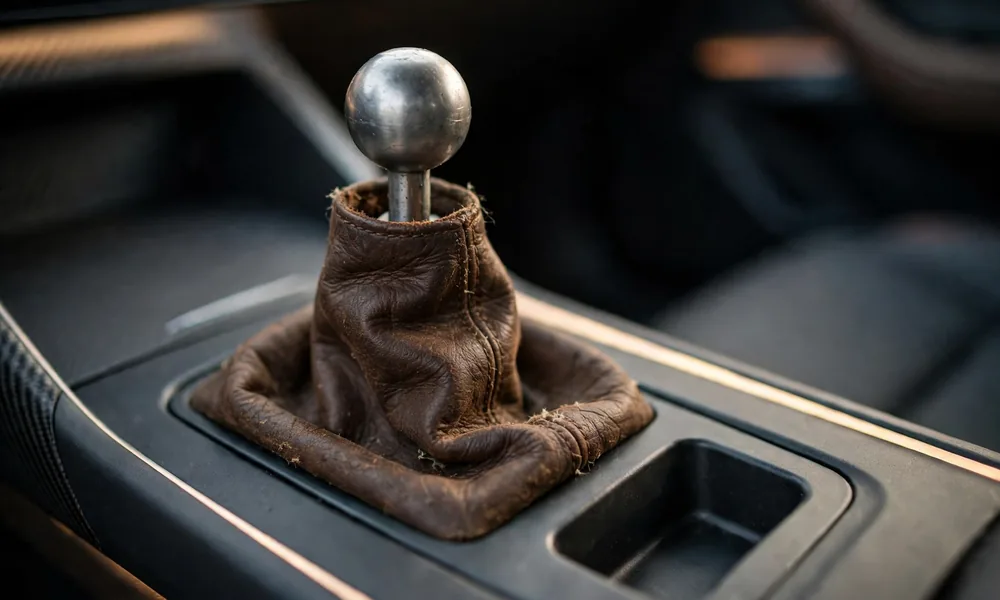
The car industry has a problem it rarely names: the people who love driving are the slowest to switch to electric cars, and their reasons are not about range or charging. They are about feel. A petrol car with a manual gearbox rewards its driver in a way no single-speed electric car yet does, and enthusiasts stay loyal to petrol for that reason alone, even as the rest of the market moves on.
A manual electric car would give those drivers a reason to switch. The best luxury electric cars of 2027, ranked shows how good electric cars have become at luxury, speed and technology; the missing piece is involvement. The first manufacturer to offer a proper manual gearbox in a mainstream electric car would not just sell a car. It would win the argument that electric cars can be for drivers too.
The honest counter-case
The objections to a manual gearbox in an electric car are strong, and the strongest is simplicity. The single-speed electric car has fewer moving parts, less to go wrong, and nothing for the driver to wear out. Adding a gearbox, a clutch and a lever reintroduces maintenance, cost and complexity into a drivetrain whose great virtue is that it has almost none. For most buyers, that simplicity is a feature, not a loss.
There is also the question of demand. Most drivers never learned to drive a manual, or happily gave it up years ago, and would not want it back. A manual electric car would be a niche product in a market that rewards scale, and a manufacturer would be gambling on a small audience. Both points are fair.
The verdict
The electric car deleted the gearbox because it could, not because it should. A manual gearbox would make mainstream electric cars more involving to drive, more satisfying at speed, more controllable in bad conditions, and potentially cheaper and more efficient to build. It would give drivers a job again, and it would give the enthusiasts who still love petrol a genuine reason to switch.
Manufacturers should offer a proper manual gearbox as an option in their electric cars, starting with the sporty and driver-focused models and letting demand decide where it goes next. But the driver who wants to choose a gear, work a clutch, and feel connected to the machine should not have to buy a petrol car to do it. The gearbox belongs in the electric age. It is time to bring it back.