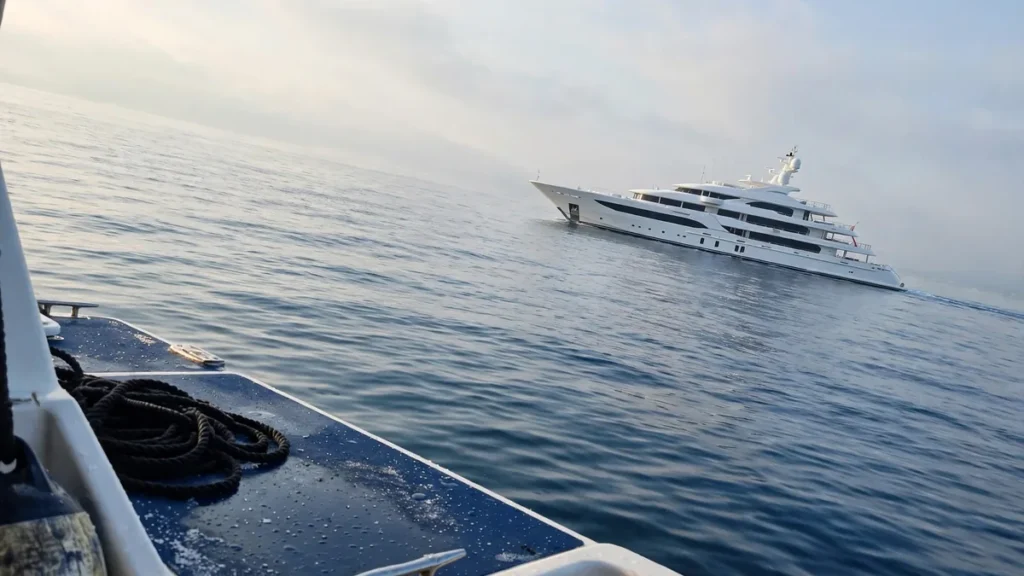
The electric yacht has an image problem, and it is the size of a house. Read about electric yachts and you will meet the same vessel every time: a vast luxury yacht, eighty feet or more, with a battery pack the size of a shipping container, a price in the tens of millions, and a range that disappoints everyone who does the maths. The conclusion they should draw is that giant electric yachts do not work yet — and that the smaller electric yacht, the one nobody writes about, is the version of the idea that already makes sense.
This is the case for smaller electric yachts. Not as a consolation prize for buyers who cannot afford the big one, but as the correct engineering answer to the hardest problem in electric boating: water is roughly eight hundred times denser than air, and pushing a hull through it takes far more energy per mile than rolling a car down a road. The way to beat that physics is not a bigger battery. It is a smaller boat.
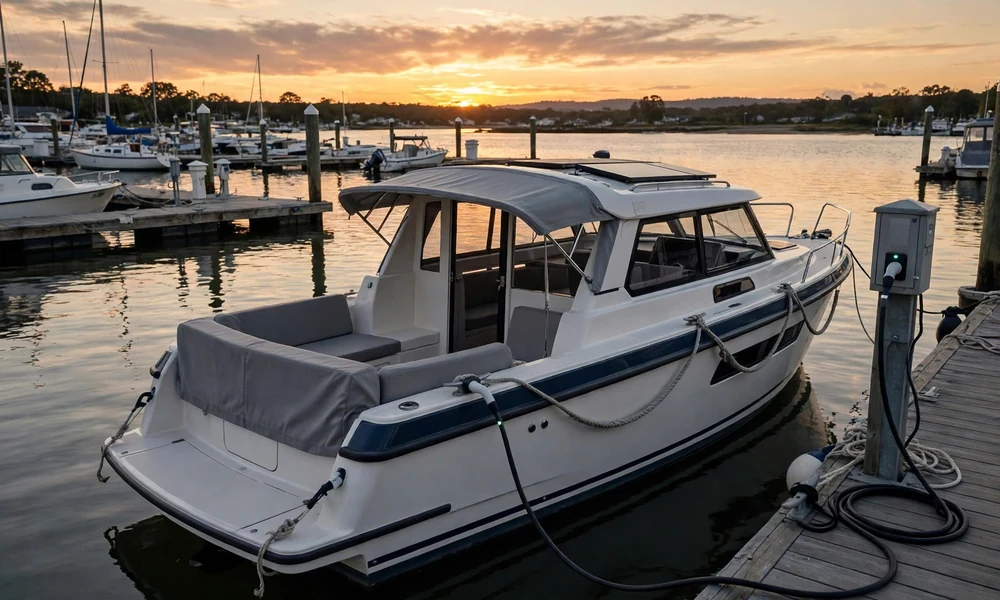
The maths is unforgiving for big boats and generous for small ones. A 60 kilowatt-hour battery that gives an electric car more than 250 miles of range might deliver only 30 to 60 miles in a small electric boat, depending on hull design and speed. Shrink the boat, and everything changes. A compact hull needs a fraction of the power to move, a modest battery pack delivers a full day on the water, and the whole vessel can be charged from an ordinary shore supply overnight.
Speed is the enemy, and small boats know it
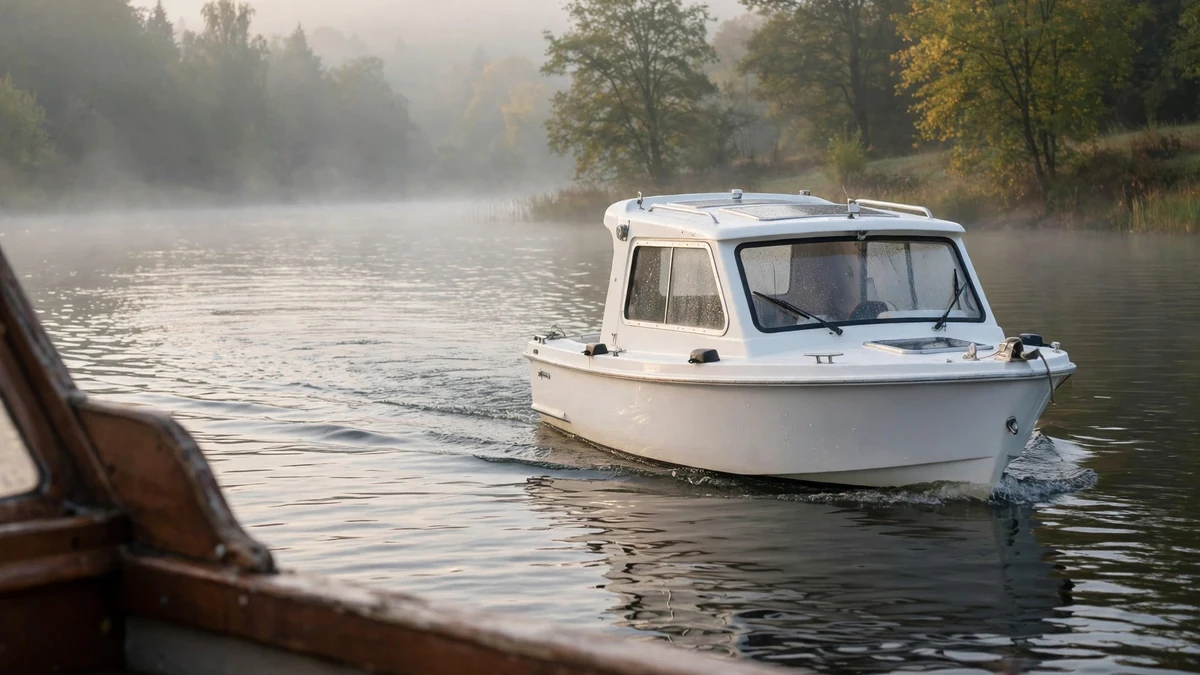
The most important fact about electric boating is the shape of the power curve. Every hull has a natural speed limit called hull speed, where drag rises steeply as the boat tries to climb over its own bow wave. One maker’s test of a small electric yacht showed the difference starkly: cruising at a steady five miles per hour delivered 42 nautical miles of range, while pushing the same boat to 12 miles per hour cut that to 18 — a 57 percent loss from just seven extra miles per hour.
Small boats live below hull speed by nature. They are day boats, harbour cruisers and lake boats, built for pottering rather than racing, and their owners already cruise at the speeds where electric propulsion is most efficient. A big yacht, by contrast, is expected to cross oceans at 20 knots, which is exactly the regime where electric power fails. The small electric yacht does not fight the physics; it accepts it, and the reward is a range figure that is honest instead of embarrassing.
Small means affordable, and affordable means real
The second argument for small is money, and it is the one that decides whether electric boating stays a rich person’s experiment or becomes a real market. The battery is the single most expensive part of any electric boat, and its cost scales with size. A compact electric boat can use a 20 to 70 kilowatt-hour pack — the same scale as a family electric car — while a large electric yacht needs hundreds of kilowatt-hours, at a cost that pushes the vessel into the tens of millions before a single cabin is fitted. As our guide to electric yacht battery specs shows, the smaller the pack, the more budget is left for the boat itself.
Affordability changes who can buy, and who can buy changes what gets built. Small electric boats from makers like Arc, Candela, X Shore and Vision Marine are now on sale in meaningful numbers, with real owners, real warranties and real charging infrastructure — some models sharing the same Level 2 home charger as their owner’s electric car. The comparison with diesel makes the same point from the other side: our head-to-head of diesel versus electric yacht propulsion shows how the electric advantage — silence, instant torque, almost no maintenance — is strongest where the boat is small enough for the battery to do the job properly.
The experience is the point
There is also a simpler argument, and it is the one owners actually talk about. A small electric boat is quiet in a way that changes the whole day on the water. There is no engine drone, no vibration through the deck, no smell of diesel on your clothes at the end of the afternoon. You can talk at normal volume, hear the water against the hull, and arrive at a swimming spot without announcing yourself to the entire bay.
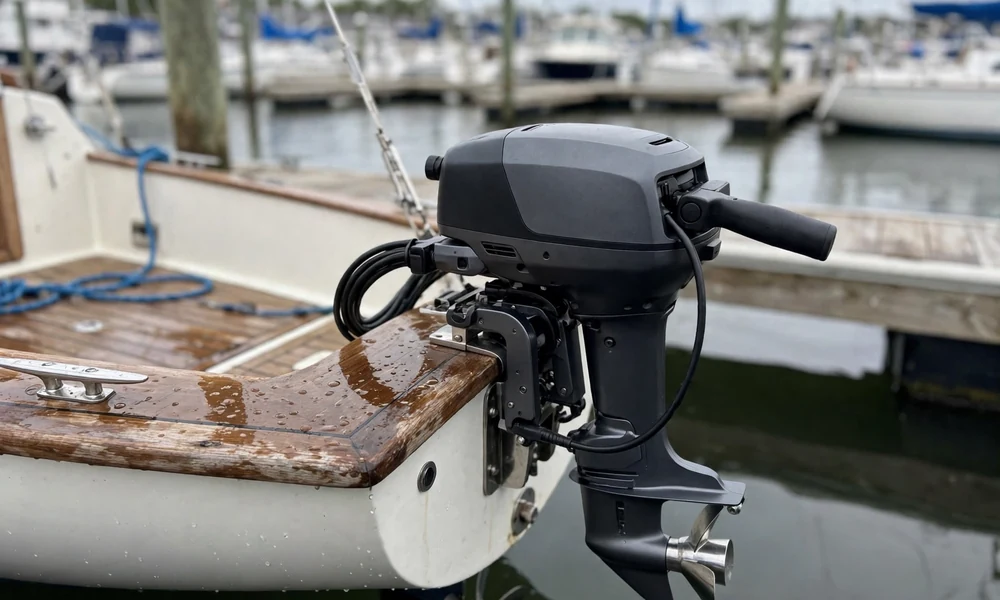
The maintenance story is just as strong. An electric motor has a handful of moving parts where a diesel has hundreds: no oil changes, no fuel filters, no winterising of a combustion engine, no exhaust system to corrode. For a small boat that might sit unused for weeks, that matters enormously — the boat that needs nothing between trips is the boat that actually gets used. Our ranking of the best electric boat propulsion systems shows how much success comes from matching the system to the hull.
The objections, answered honestly
The case for small has limits, and pretending otherwise would sink it. Range is the first. Even an efficient small electric yacht covers tens of miles, not hundreds, and it is not a boat for crossing oceans or outrunning weather over long distances. The small electric yacht is a day boat, and judging it for failing at ocean crossings is like judging a city car for failing to tow a caravan.
Charging infrastructure is the second limit. Marinas are far behind roads: many have no fast charging at all, and a boat that needs eight hours on a Level 2 charger is a boat that stays in its home port. And weight remains a hard constraint: batteries are heavy, and on a small boat every kilogram affects how the hull sits and planes, so designers must be careful with chemistry and placement in a way car makers rarely have to be.
Small is where the future actually arrives
There is a pattern in how new transport technology spreads, and it always starts small. Electric cars began as city runabouts before they became family saloons. Electric bikes began as curiosities before they became the best-selling electric vehicles on earth. Electric boating is following the same path, and the small yacht is its city car: the version that works now, for real buyers, on real water.
The Takeaway
The electric yacht does not need to be bigger to be better. It needs to be smaller: small enough for its battery to give it a full day, cheap enough for real buyers to own, quiet enough to change the day on the water, and simple enough to maintain without a shipyard. The giant electric yacht is a promise about the future. The small electric yacht is a boat you can buy today, charge tonight, and take out tomorrow morning in silence. That is not the lesser version of the idea. It is the idea, working.