Most people who think about buying an electric car have the same worry, and it is not about the car itself. It is about the journey they take twice a year: the long drive to visit family, the holiday with a trailer, the trip through places where chargers are scarce and time is short. The daily commute would be easy on electricity, but that one long trip keeps them buying petrol cars instead.
The plug-in hybrid was built for exactly that person. It is a car with two complete ways of moving: a battery and electric motor big enough for everyday driving, and a petrol engine for everything else. Plug it in at home and it behaves like an electric car. Run the battery down and it behaves like an ordinary hybrid. It is a compromise, and like all good compromises, it annoys purists on both sides while quietly solving a real problem.
What a Plug-In Hybrid Actually Is
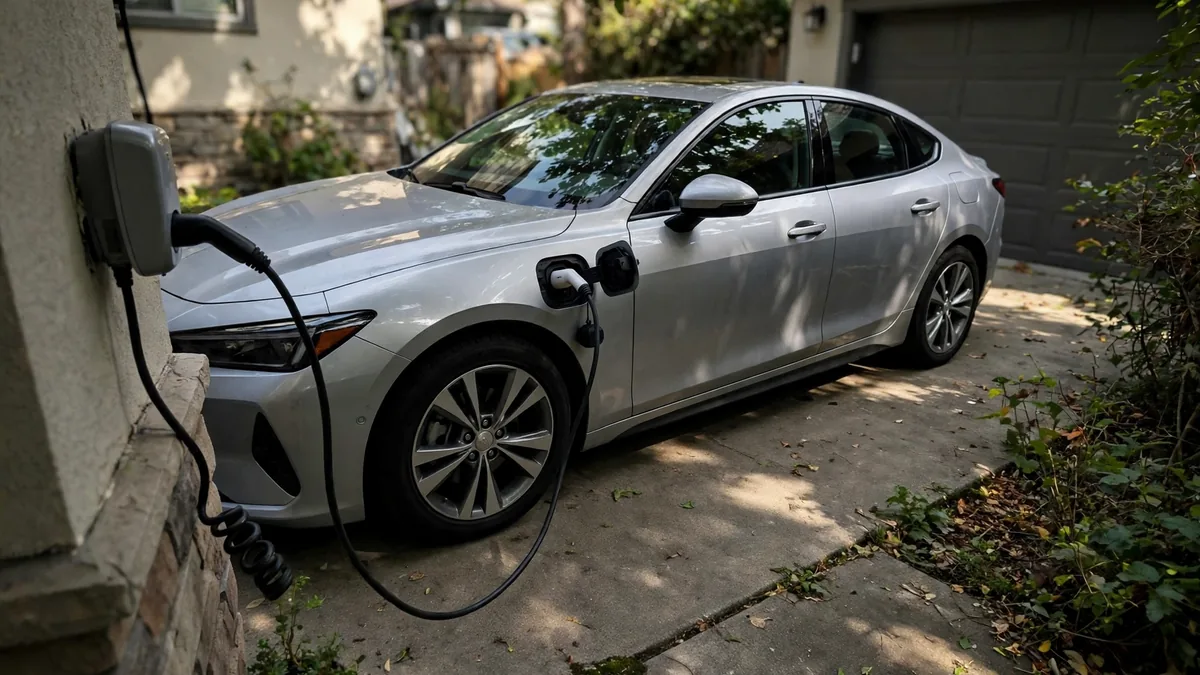
A plug-in hybrid, usually shortened to PHEV, is a hybrid car with a larger battery and a charging socket. An ordinary hybrid has a small battery that charges itself from the engine and from braking, and it can only drive on electricity for a short distance at low speed. A plug-in hybrid’s battery is much bigger, typically enough for 30 to 60 miles of electric driving, and it is charged from the mains like a fully electric car.
The petrol engine is still there, and it is a full engine, not a small backup. When the battery runs out, the engine takes over and the car continues like a normal hybrid, using petrol and recovering energy when it brakes. There is no range anxiety, no need to plan charging stops on a long journey, and no stranded feeling if the charger at the destination is broken or busy.
That combination is the whole point. In a plug-in hybrid, those journeys can be done entirely on electricity, which is cheaper per mile and produces no exhaust fumes locally. The petrol engine is there for the minority of journeys that are long, which is exactly when an electric car is at its least convenient.
How It Decides Which Power to Use
The car’s computer manages the two power sources, and most drivers never have to think about it. In the default mode, the car uses electricity first, saving the petrol engine until the battery is low. The switch to petrol is seamless; the engine starts quietly and the car carries on as before.
Most plug-in hybrids also offer modes the driver can choose. A save mode keeps the battery charge for later, useful if you are driving on a motorway now and want electric driving in a city later. A charge mode uses the engine to top up the battery while driving, which is less efficient but can be useful in specific situations. A sport mode uses both power sources together for maximum performance, and some plug-in hybrids are genuinely fast because the electric motor adds its torque instantly to the engine’s output.
The battery itself is the heart of the system, and it is a serious piece of engineering. It has to store enough energy for a useful electric range, survive thousands of charges, and fit into a car that also has to carry a petrol engine, a fuel tank and an exhaust system. Our guide to how an EV battery pack is made explains how those packs are built, and much of the same technology appears in a plug-in hybrid, just in a smaller package.
Why It Matters, and Who It Suits
The plug-in hybrid makes most sense for a driver with a regular short commute and occasional long trips, who can charge at home overnight. For that person, the car can cover most miles on electricity while keeping the freedom of petrol for holidays. Fuel bills drop sharply, local air gets cleaner, and the car still does everything a petrol car does. It is a practical stepping stone for people who are not ready, or not able, to go fully electric.
There is also an environmental nuance that buyers should understand. A plug-in hybrid that is charged regularly produces far less carbon dioxide than a petrol car over its life, but one that is never charged can produce more, because of the extra weight. The electric side of the car is managed by an inverter and motor system much like a pure electric car’s, and how an EV inverter works is a useful companion read for anyone curious about what happens between the battery and the wheels.
The Variations You Will Meet
Not all plug-in hybrids work the same way. In a parallel hybrid, both the engine and the electric motor can drive the wheels, either together or separately. In a series hybrid, the engine never drives the wheels directly; it acts as a generator, making electricity for the motor. Many modern plug-in hybrids can do both, switching between layouts depending on speed and demand, which gives engineers more freedom to optimise for efficiency.
Electric range varies widely, and it is the number that matters most when comparing cars. A plug-in hybrid with 25 miles of electric range will cover a short commute but not a longer one, while one with 60 miles can handle most daily driving without using a drop of petrol. The official range figures are measured in laboratory conditions, so real-world range is usually lower, especially in cold weather, when heating the cabin draws power from the same battery.
Charging speed varies too. Most plug-in hybrids charge from a home wall box in a few hours, and many can use a public charger, but few support the very fast charging that pure electric cars use, because their batteries are smaller and their charging hardware is simpler. The cells inside those batteries are the same kind used in pure electric cars, and EV battery cell specs explained covers what the numbers on a battery actually mean.
Where You Find Them
Plug-in hybrids are now available in almost every kind of car, from compact hatchbacks to large luxury SUVs. They are especially popular in larger cars, where a pure electric version would need a very large and expensive battery to offer a useful range, and where the petrol engine’s contribution matters most on long journeys. Many premium manufacturers offer a plug-in hybrid version of nearly every model they sell.
The Simple Version
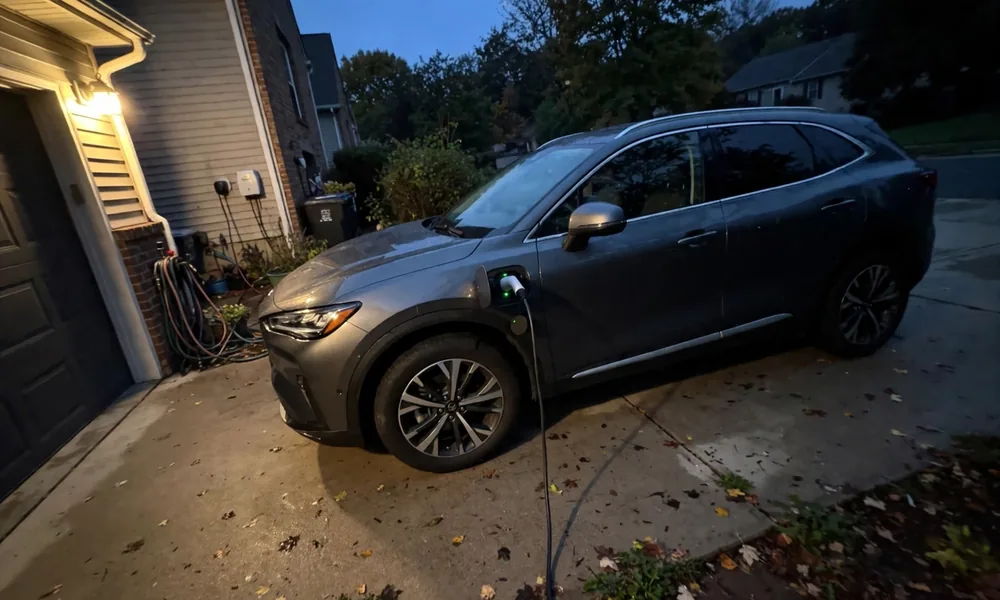
A plug-in hybrid is a car with a big enough battery for everyday electric driving and a petrol engine for long journeys. Charge it at home and your daily driving is electric, cheap and quiet. Run the battery down and the petrol engine takes over, so you can drive anywhere without planning charging stops. It is the car for the driver who wants most of the benefits of electric driving without giving up any of the freedom of petrol.
It is not the answer for everyone. Without home charging it loses much of its point, and a driver who rarely does long journeys may be better served by a fully electric car. But for the large group in the middle, the driver with a short commute and a long holiday drive, the plug-in hybrid is a genuinely sensible compromise, and it is likely to be part of the car market for many years yet.