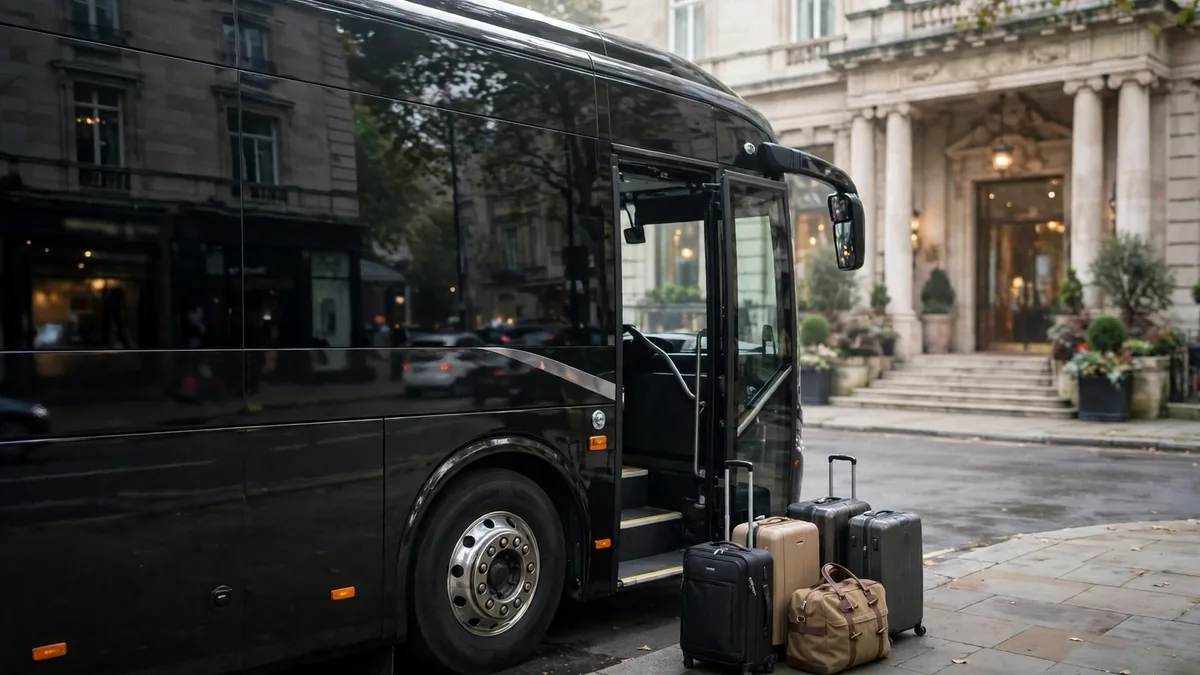
The tour group gathered outside the hotel in the early morning, suitcases lined up on the pavement, and the coach that pulled up to collect them looked nothing like the buses they remembered from school. Its windows were dark and tall, its paint shone like a polished stone, and when the door opened with a soft sigh the inside smelled of leather and clean air, with wide seats, soft lights and a quiet that made the whole group lower their voices. Nobody on board asked about the ticket price, but the driver smiled, because he had heard the question a hundred times before.
That coach is a luxury electric bus, and it is expensive for reasons that are easy to miss, because most of the cost is hidden under the floor, inside the battery, and in the hours of hand finishing that nobody sees from the pavement. This guide explains why each cost exists, one driver at a time, so the price reads like a list of reasons instead of a mystery.
The battery: a bus-sized fuel tank made of cells
The first cost is the battery, and it is the largest single expense on the whole bus. A luxury electric bus carries a battery of several hundred kilowatt-hours, far bigger than a car battery, because it must move forty people and their luggage for a full day without recharging. Thousands of cells are packed into sealed cases under the floor, cooled, monitored and protected, and the battery alone can cost as much as a small house. The guide to how a luxury tour bus is made follows how a luxury tour bus is put together, and the electric bus adds this enormous battery to the same body, which is why the price jumps so sharply from the diesel version.
The motors and the drivetrain: silent power for forty seats
The second cost is the motors and the drivetrain, usually two electric motors driving the rear axle, built to pull a vehicle that weighs more than fifteen tonnes up a hill in silence. The motors are larger and stronger than car motors, and they are paired with heavy-duty inverters, cooling systems and a gearbox that never needs the driver to change gear.
The body and the interior: a lounge that must survive a million miles
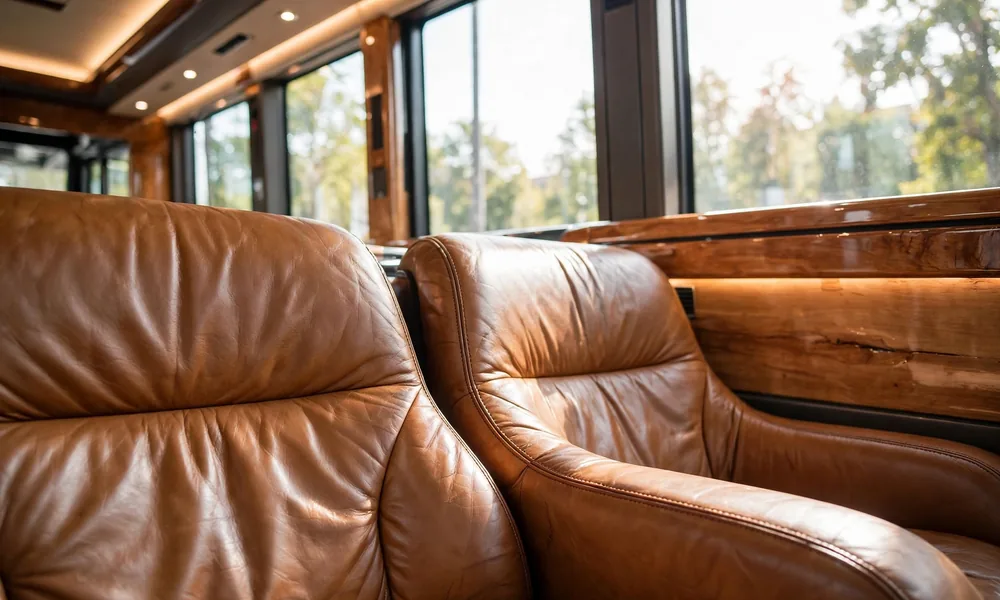
The third cost is the body and the interior, and it is where the luxury shows. The seats are wide, reclining and trimmed in leather, the floor is flat and low so passengers step in easily, the windows are large and double-glazed, and the air conditioning is powerful enough to keep forty people comfortable on a hot day. The body is built from aluminium and steel, shaped to slip through the air, and every panel is fitted by hand, because a bus that will run for a million miles cannot rattle, leak or wear out its fittings in the first year.
Charging and the depot: the price beyond the bus
The fourth cost is the charging and the depot, and it is the one buyers forget until the bus arrives. A luxury electric bus needs a powerful depot charger, often more than a hundred kilowatts, plus new cabling, a transformer and a parking bay wired for overnight charging. The guide to how a luxury double-decker bus works follows how a different kind of large passenger vehicle works, and the electric bus shares the same lesson: the vehicle is only half the purchase, and the depot that feeds it is the other half, built once and paid for up front.
Safety, software and the long warranty: the quiet costs
The fifth cost is the safety, the software and the long warranty, and it is the one that protects the passengers. The bus carries automatic emergency braking, blind-spot warnings, a 360-degree camera system and a battery that is armoured underneath the floor, plus software that watches every cell, every motor and every brake, and updates itself overnight. The guide to why a luxury electric ferry costs so much explains why another electric passenger vessel costs so much, and the bus shares the same pattern: the battery, the safety and the software are where the money goes, and they are also what make the bus cheaper to run, year after year, than the diesel coach it replaces.
The hand build: why no two luxury buses are quite the same
The last cost is the hand build, and it is the hardest to see and the easiest to understand. A luxury electric bus is not made on a line that turns out a vehicle every few minutes, but in a workshop where a small team fits the seats, the panels, the lights and the trim one bus at a time, checking every seam and every switch before the bus leaves. The buyer chooses the colours, the seat layout, the kitchenette and the entertainment system, and each choice adds hours of skilled work, so the bus that arrives is the one the buyer asked for, not the one that happened to be in stock.
The costs at a glance
| Feature | Typical luxury figure | What it tells you |
|---|---|---|
| Battery | Several hundred kilowatt-hours | The largest single cost on the bus |
| Motors | Two electric motors, rear axle drive | Silent power for more than 15 tonnes |
| Seating | Around 40 wide leather seats | Comfort for a full tour group |
| Range | Around 250 to 350 kilometres a day | A full day of touring on one charge |
| Charging | Over 100 kilowatts at the depot | Overnight refuelling while the bus rests |
| Body | Aluminium and steel, hand-fitted panels | A lounge built to survive a million miles |
| Safety | Emergency braking, 360-degree cameras, armoured battery | Protection for forty passengers |
| Service life | Around 15 to 20 years | Long enough to earn the price back |
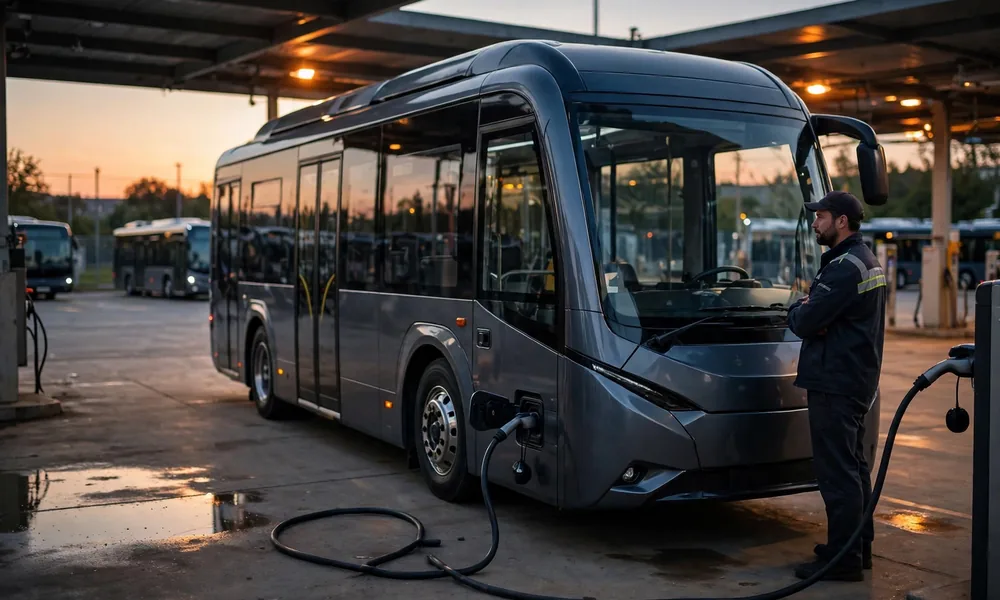
What it costs
A luxury electric bus typically costs an estimated $350,000 to $600,000, depending on the battery size, the seating and the interior finish. The estimate covers the bus alone, not the depot charger, the insurance or the servicing, which are a real part of owning an electric bus, and which the owner pays over the fifteen or twenty years the bus stays in service.
A rare fact
One detail few passengers ever learn is that a luxury electric bus can heat and cool itself while it is still plugged in at the depot, so it leaves in the morning already warm in winter or cool in summer, without using a single kilometre of battery range. The driver sets the temperature the night before, and the bus waits, comfortable and ready, a small kindness that a diesel coach, which must idle and burn fuel to warm up, could never offer.
Read the price in that order, battery first, then motors, body, charging, safety and hand build, and the number stops looking like a mystery and starts looking like a list of reasons. The best electric buses are not the cheapest ones, but the ones whose costs agree with each other, a battery the depot can fill, a body the passengers can love, and a build that lasts long enough to earn the price back.