There is a moment every hypercar driver remembers, and it happens long before the speed does. You sit down, the door closes with a soft click, and your hands find the wheel. It is smaller than you expected, and when you turn it half an inch, the whole car answers. The front wheels feel as though they are bolted directly to your palms.
That feeling is materials. A hypercar steering system is a chain of metal, carbon and rubber from your hands to the tyres, every link chosen to pass information one way and force the other, without failing at 200 miles per hour. Get one material wrong and the car feels ordinary. Get one badly wrong and the car becomes dangerous.
Here is what the system is made of, and why each material earned its place.
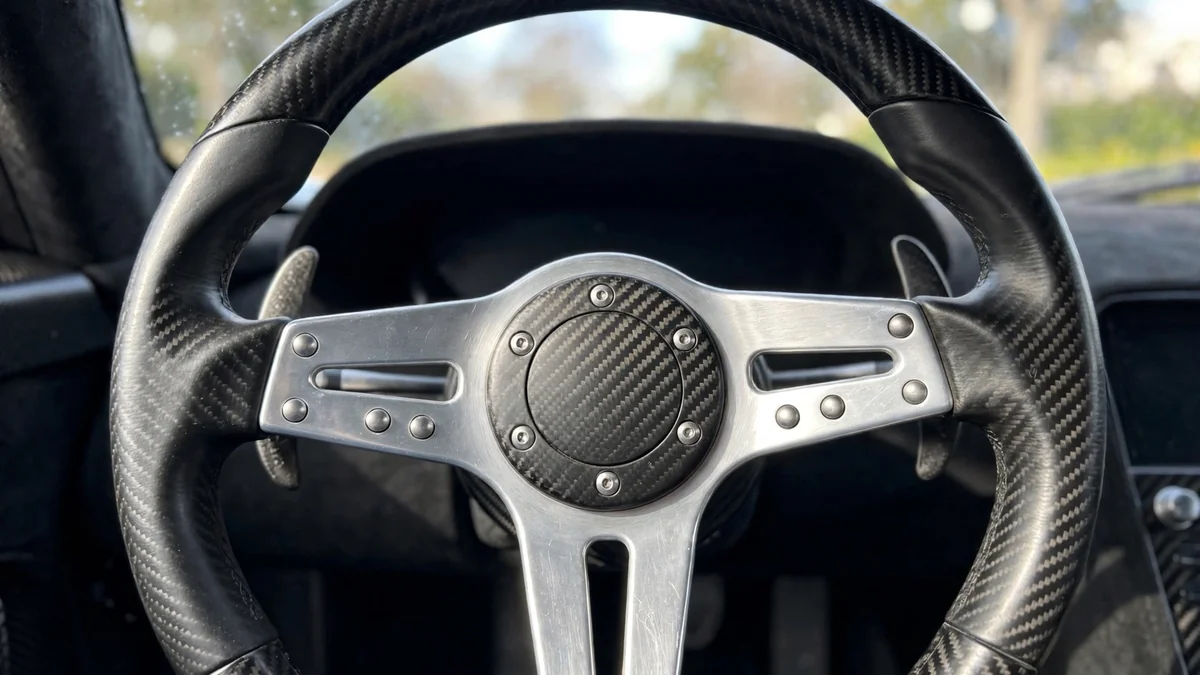
The Materials Behind the Hypercar Steering System
1. Carbon fibre, the rim that talks back
The rim of a hypercar wheel is usually carbon fibre, moulded as a single piece or in a small number of sections. Carbon fibre is stiff for its weight in a way no metal can match, so the rim does not twist when the driver pulls hard on it in a fast corner. That stiffness is the whole point: any flex between hands and column would blur the messages coming back from the tyres, the tiny tremors that tell a driver the front end is about to let go. The rim is laid up from woven cloth and prepreg, cured in an autoclave. The same woven cloth turns up all over a hypercar, and the story of how carbon fibre cloth is made explains why the weave direction matters as much as the fibre itself.
2. Titanium, the column that must never bend
Behind the wheel sits the steering column, and in a hypercar it is often titanium. The column carries every steering load from the wheel to the rack, and it must be absolutely rigid in torsion while staying light. Titanium gives steel-like strength at roughly half the weight, and it resists fatigue, the slow weakening that comes from thousands of small twists over the life of the car. It is expensive and hard to machine, but a kilogram saved here can go into structure or aero. The column is also designed to collapse in a controlled way in a crash, folding rather than spearing towards the driver.
3. Aluminium and magnesium, the spokes and the hub
The spokes and hub of the wheel are usually machined aluminium, sometimes magnesium. Aluminium is easy to machine to tight tolerances, so the hub can be cut with the splines and bolt holes the wheel needs, and it takes an anodised finish that resists corrosion from sweaty hands and cabin heat. Magnesium is lighter still and is used in the most extreme wheels, though it is more expensive and needs careful coating, because bare magnesium corrodes quickly. The spokes are thick enough to be rigid, open enough to see the instruments through.
4. Steel, the rack that does the heavy work
At the bottom of the column is the steering rack, and here the material changes completely. The rack and pinion are steel, usually a high-strength alloy steel, hardened and ground. Steel is chosen because the rack sees the highest loads in the system: every bump, every kerb strike and every tonne of cornering force comes up through the tie rods and into the rack teeth. Only hardened steel survives that abuse for the life of the car. The rack runs in a housing of cast aluminium, which is light and stiff, and the whole assembly is sealed against water and grit. The forces the rack handles are in the same league as the forces in the car’s dual-clutch gearbox, where steel again does the work that nothing lighter can.
5. Leather, Alcantara and rubber, the grip that must not slip
The rim is wrapped in leather or Alcantara, a synthetic suede, and sometimes both: leather where the palms rest, Alcantara where the thumbs grip. These materials are chosen for friction, not luxury. A driver’s hands must stay planted when the wheel kicks in their grip over a bump, and a sweaty palm on bare carbon would slide. Alcantara gives more grip when damp, which is why racing-derived cars use it, though it wears faster and needs cleaning. The grips are stitched, not glued, so they can be replaced when they wear. Under the trim, a thin layer of rubber damps vibration, taking the harsh edge off the road without hiding the information the driver needs.
6. Bearings, seals and the electric assist
The column turns on precision bearings, usually steel balls in a hardened race, packed with a grease that stays put from a freezing morning to a track day at full temperature. The electric power steering motor, which most hypercars now use instead of hydraulics, sits on the rack or the column, and its housing is aluminium, its gears steel. The motor must add assistance without masking feel, so its parts are built for zero backlash. The whole system is sealed, because a single grain of grit in a bearing or a rack tooth can be felt through the wheel. That obsession with feel is what separates a hypercar from a fast saloon, and it is visible in cars like the Aston Martin Valkyrie, where the steering is part of a single-minded pursuit of connection between driver and road.
| Material | Where it is used | Why it is chosen |
|---|---|---|
| Carbon fibre | Steering wheel rim | Extremely stiff and light, passes road feel without flexing |
| Titanium | Steering column | Steel-like strength at half the weight, resists fatigue |
| Aluminium | Spokes, hub, rack housing | Light, machinable to tight tolerances, resists corrosion |
| Magnesium | Top-spec wheel spokes | Lighter than aluminium, but costly and needs coating |
| Hardened alloy steel | Rack and pinion, tie rods | Survives the highest loads and wear in the system |
| Leather and Alcantara | Rim grip | High friction when damp, keeps hands planted |
| Rubber | Grip underlayer, seals | Damps harsh vibration, keeps grit and water out |
| Steel bearings and grease | Column pivots | Zero backlash, smooth turning across temperatures |
What Does a Hypercar Steering System Cost?
A hypercar steering system is priced by its exotic materials and its hand assembly. A carbon fibre steering wheel alone is estimated at roughly $8,000 to $25,000, depending on the car and how many controls are built into it, and a titanium column is estimated at roughly $2,000 to $5,000. The rack and its electric assist add an estimated $4,000 to $10,000, and the full system, wheel to tie rods, fitted and calibrated, is estimated at roughly $15,000 to $40,000. That is more than many family cars cost outright.
A Rare Fact
The steering wheel of a top hypercar can weigh less than 1.5 kilograms, lighter than a laptop, yet it carries the airbag, the gear-shift paddles, and every control the driver needs, all built into a single carbon-fibre moulding. It is the one part of the car the driver touches for every second of every drive.

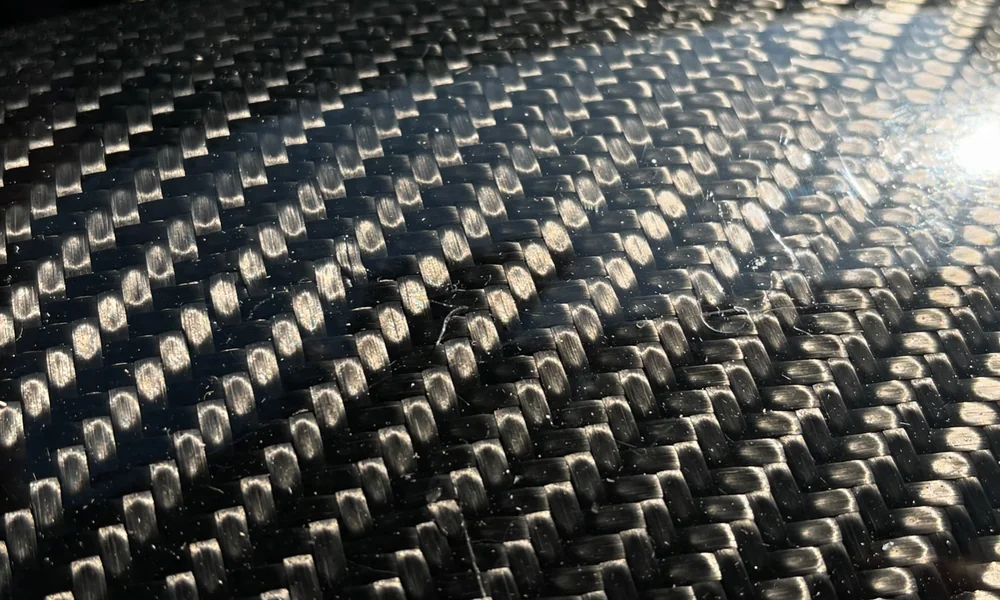
A hypercar steering system looks simple from the driver’s seat, a wheel and a column, but it is a chain of compromises made in metal and carbon. The carbon rim talks, the titanium column carries, the steel rack endures, and the leather keeps your hands where they belong. Keep that chain tight and the car feels like an extension of your hands.


