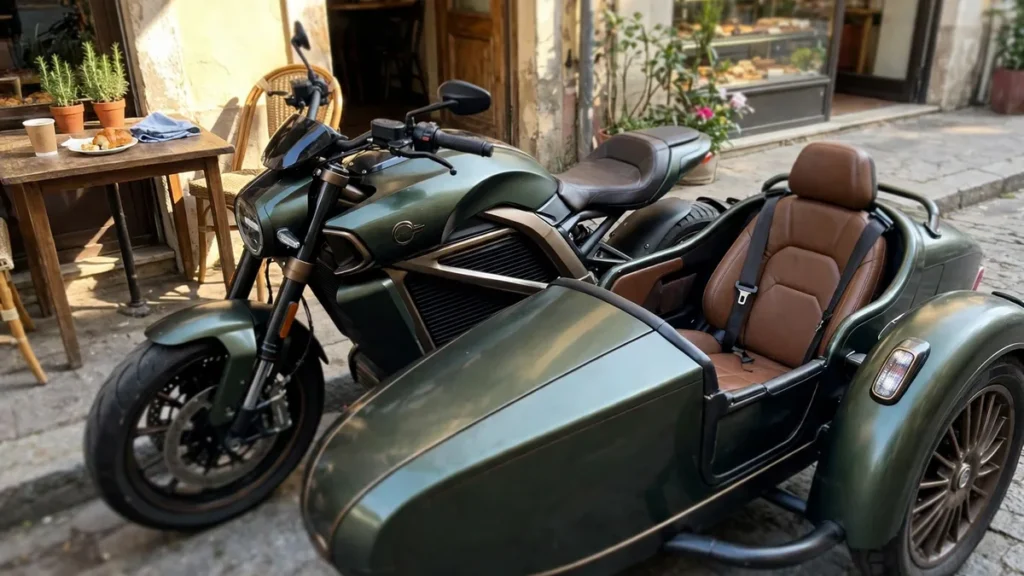
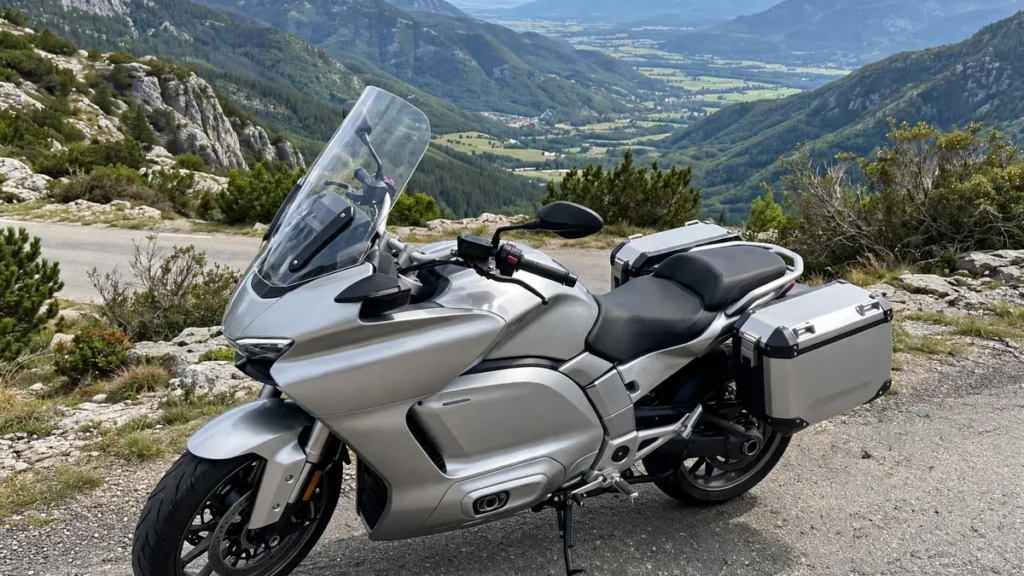
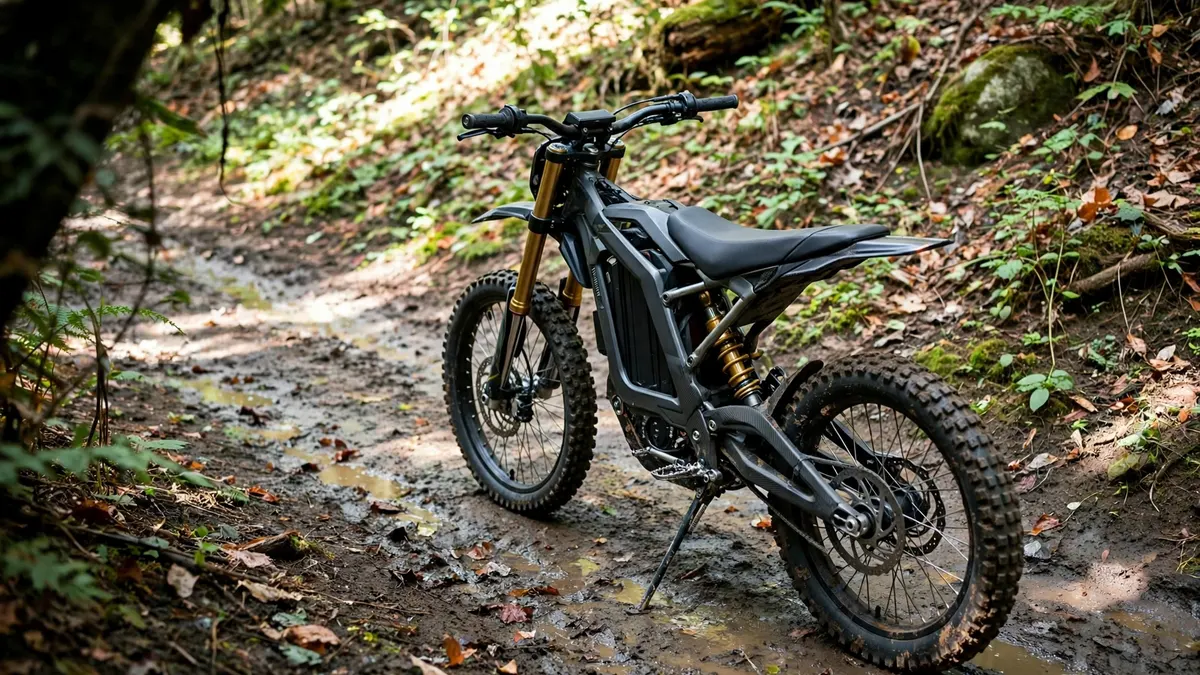
A petrol dirt bike tells you what it is the moment you start it. The noise, the smell and the vibration give the game away before you have ridden a metre. A luxury electric dirt bike gives nothing away. It stands silent on the trail, slim and clean, and the only clue to what it can do is the specification sheet.
Most of those numbers look small next to a road bike. The battery holds a few kilowatt-hours, the motor makes a few dozen kilowatts, and the whole machine weighs about as much as a large dog. The figures matter more, not less, because on a dirt bike every kilogram and every kilowatt is something you feel in your hands and legs on every jump and every climb.
This guide walks through the figures on a luxury electric dirt bike specification sheet and explains what each one means in plain language, so the next time you compare two bikes you will know which numbers deserve your attention and which ones are just decoration.
Luxury Electric Dirt Bike Specs at a Glance
| Specification | Entry Luxury | Mid Luxury | Flagship |
|---|---|---|---|
| Battery | 2 to 3 kWh | 3 to 4 kWh | 4 to 6 kWh |
| Motor power | 8 to 12 kW | 15 to 25 kW | 30 to 45 kW |
| Torque at wheel | 250 Nm | 450 Nm | 700 Nm |
| Trail range | 1 to 2 hours | 2 to 3 hours | 3 to 4 hours |
| Weight | 95 to 110 kg | 105 to 120 kg | 115 to 135 kg |
| Suspension travel | 250 mm front | 280 mm, adjustable | 300 mm, fully adjustable |
| Charge time | 3 to 4 hours | 2 to 3 hours | Under 2 hours, fast charge |
Battery and Range: The Fuel Tank You Cannot See
Battery capacity is listed in kilowatt-hours, written as kWh, and it is the fuel tank of the bike. An entry luxury bike carries two to three kilowatt-hours, a mid luxury bike three to four, and a flagship four to six. The sheet usually quotes range in hours of trail riding rather than kilometres, because a dirt bike rarely travels in a straight line at a steady speed.
Read the range figure with suspicion. The headline number is measured on gentle trails at a steady pace, and hard riding cuts it fast. Full throttle up a muddy hill, deep sand and cold weather can each take a fifth off the range, and a rider who rides hard all afternoon should plan on the lower end of the quoted hours. The way a luxury electric dirt bike is made shows how that battery is built, sealed in an aluminium case and potted in resin so a crash cannot shake a cell loose, and the sealing is part of what the capacity figure is paying for.
Motor Power and Torque: Why the Small Numbers Feel Big
Motor power is listed in kilowatts, and torque in newton-metres, and torque is the number that matters on a trail. An electric motor makes its full torque from zero speed, so a bike rated at only fifteen kilowatts can crawl up a steep, rocky climb that would stall a petrol bike twice its size.
Power still matters, but only at the top end. A bigger motor holds its speed on a fast straight and climbs a long hill without fading, while a small motor will feel strong at low speed and then run out of breath. The electric BMX specifications show the same idea on a smaller machine, where torque decides how the bike feels off the line and power decides how fast it keeps going, and the dirt bike scales that thinking up for mud, jumps and hills.
Suspension and Weight: The Numbers That Decide the Landing
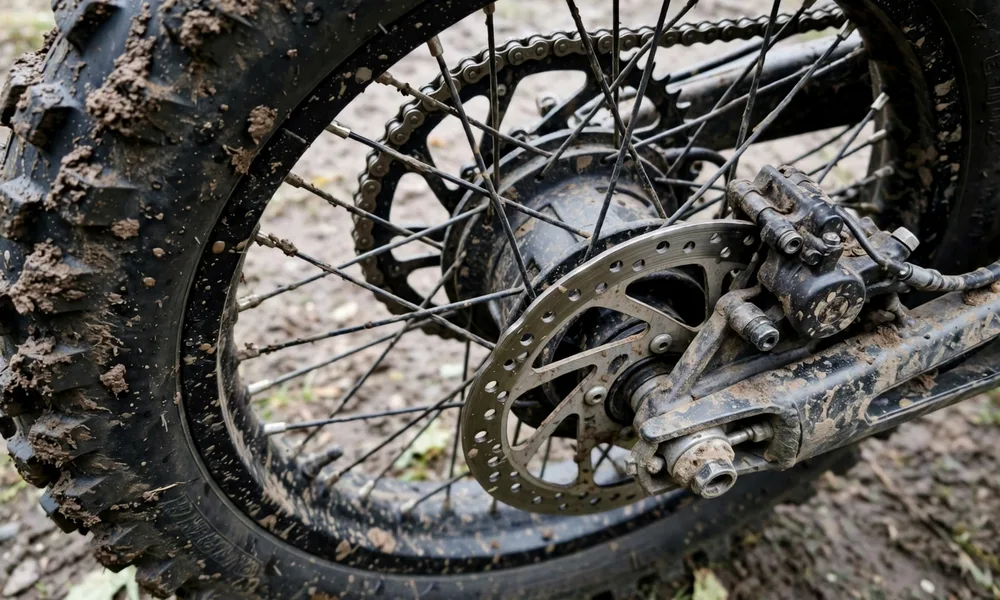
Suspension travel is listed in millimetres, front and rear, and it is the number that decides whether a landing feels like a cushion or a crash. An entry luxury bike offers about 250 millimetres of travel at the front, a mid luxury bike about 280 with adjustable damping, and a flagship about 300 millimetres fully adjustable for the rider’s weight. The travel matters because a dirt bike spends its life leaving the ground, and the suspension has to absorb the landing without bottoming out or bouncing the rider off the seat.
Weight is the figure the makers fight over most. A luxury electric dirt bike weighs roughly 95 to 135 kilograms ready to ride, and every kilogram saved is a kilogram the rider does not have to lift over a log or pick up after a fall. A light bike with a small battery is nimble but short ranged, and a heavy bike with a big battery goes further but feels it on every jump.
Charging, Sealing and Electronics: The Quiet Lines on the Sheet
Charge time is the number that decides your routine. An entry bike takes three to four hours on a standard charger, a mid luxury bike two to three, and a flagship under two hours on a fast charger, with some reaching 80 percent in under an hour. A swappable battery, where the sheet lists one, changes the maths completely, because a spare pack in the van doubles the riding day without waiting for a charger.
Sealing is listed as an IP rating, and it deserves a second look. A dirt bike lives in mud and water, and the battery, motor and controller all have to survive being hosed down after every ride. The luxury electric bike specifications explain the same battery and charging ideas on a road machine, where the numbers are smaller and the conditions kinder, and the dirt bike takes those ideas and armours them for the trail.
A Rare Fact About the Electric Dirt Bike
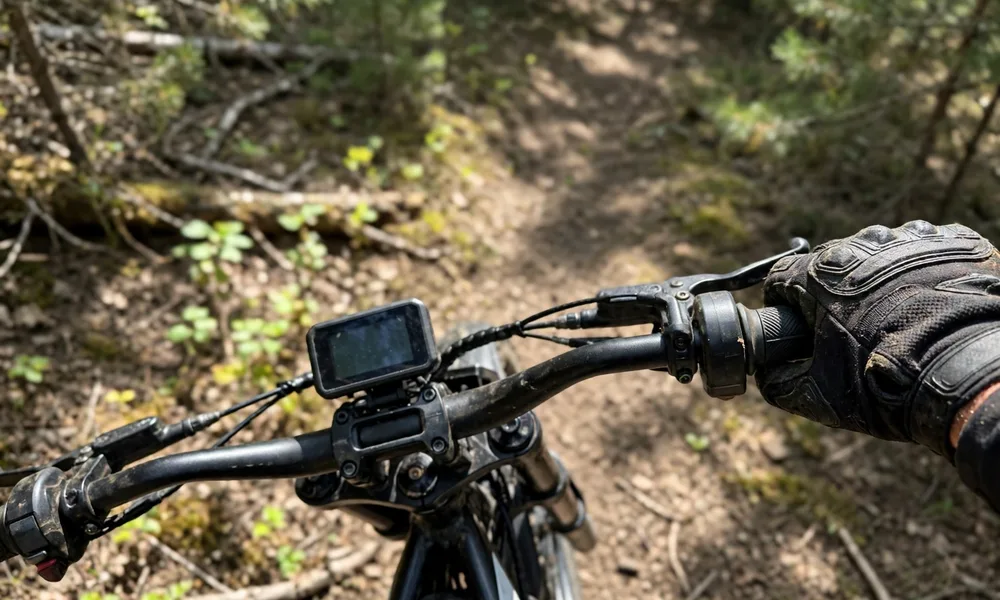
Here is a detail that surprises riders who switch from petrol. A luxury electric dirt bike can be ridden in places a petrol bike cannot go, not because it is more powerful, but because it is silent. Wildlife does not hear it coming, and neither do the walkers on the trail, so a rider can explore a forest at dawn without scaring every animal within a mile. The silence is not just a comfort. It is a new kind of access, and it is the reason many riders say they would never go back, whatever the spec sheet says.
What the Specs Mean for You
If you are comparing luxury electric dirt bikes, read the sheet in this order: battery capacity against the length of your rides, torque at the wheel for the climbs you actually ride, suspension travel for the jumps you actually take, and weight for the falls you will certainly have. Those four figures decide whether the bike will suit your trails, which is the only test that matters.
Then look at the charge time, and judge it honestly. A fast charger is worth having if you ride twice a day; a swappable battery is worth more if you ride all weekend. But neither replaces range. The best bike on the forecourt is the one whose numbers match the way you actually ride, in the mud, in the rain, and home again.