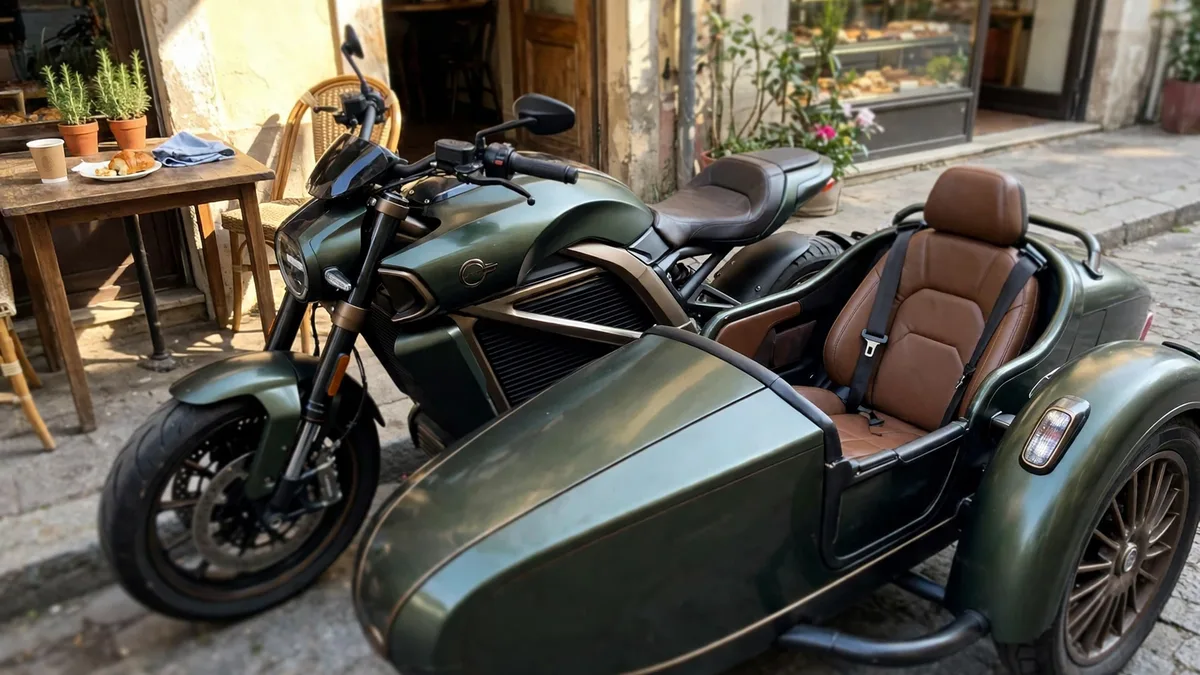
The motorcycle pulls up outside the cafe with something attached to its right side, and for a moment nobody is quite sure what they are looking at. It is a third wheel, a small car on its own wheel, bolted to the bike by a frame of steel tubes, with a passenger sitting inside it, waving, perfectly comfortable, while the rider parks without ever putting a foot down.
A luxury electric sidecar outfit can cost, as an estimate, roughly $40,000 to $150,000, which is more than many cars, for a machine that carries two people and a picnic.
This article breaks down where the money goes when a luxury electric sidecar is built, and why the same outfit costs so much more than the motorcycle it started life as.
Where the Money Goes: The Cost of an Electric Sidecar Outfit
| Cost Driver | Petrol Sidecar Outfit | Electric Sidecar Outfit | Why It Costs More |
|---|---|---|---|
| Powertrain | Engine, gearbox | Battery, motor, controller | Battery is the dearest part |
| Sidecar body | Coachbuilt, hand shaped | Coachbuilt, carries battery | Structure and sealing both |
| Motorcycle rebuild | Frame, fork, brakes | Frame, fork, brakes, wiring | High voltage runs through it |
| Alignment and setup | Hours of measuring | Hours, plus software tuning | Torque split needs coding |
| Production volume | Handfuls per year | Fewer still | Development split over few sales |
| Finish and trim | Leather, paint, chrome | Leather, paint, screens | Passenger gets heated comfort |
You Are Buying Two Machines, Not One
The first reason is the simplest: you are buying two machines, not one. A sidecar outfit is a motorcycle and a sidecar, and the sidecar is a vehicle in its own right, with its own wheel, suspension, brakes, body, seat and electrics. It has to be designed, built and finished to the same standard as the motorcycle, and it carries its own cost. The reasons a luxury sidecar motorcycle costs so much show how that doubling works on a petrol outfit, and the electric version doubles it again, because the sidecar also has to carry part of the battery.
That battery placement is the expensive twist. On a solo electric bike the battery sits low in the frame, where it keeps the bike balanced. On an outfit the builder splits the pack, with some cells in the bike and some in the sidecar, so the weight balances across all three wheels.
The Motorcycle Is Rebuilt, Not Just Fitted
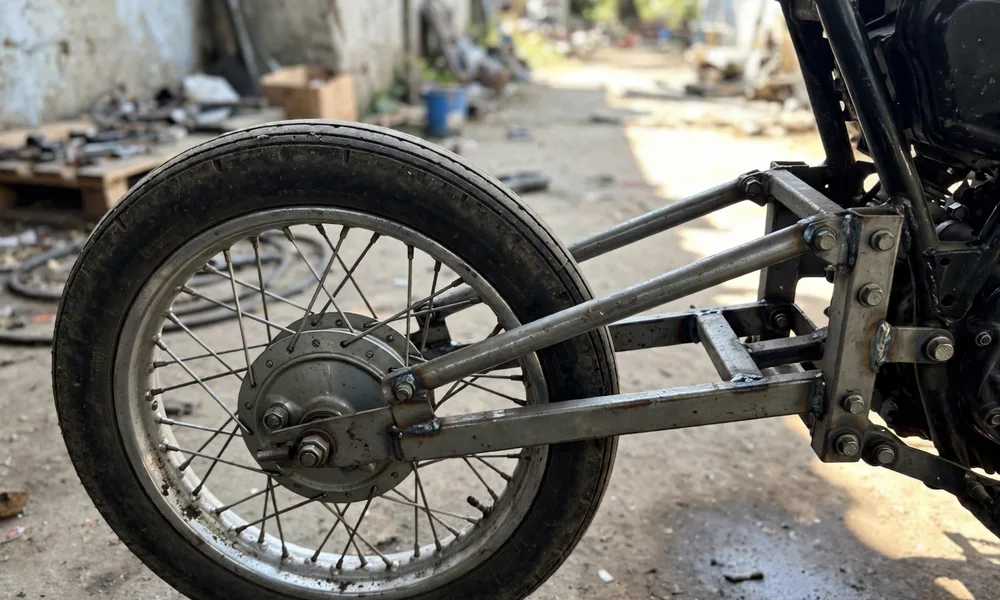
The second reason is the rebuild. A sidecar adds a great deal of weight and drag to one side of the bike, so the motorcycle itself has to be changed before anything else is fitted. The frame is checked for mounting points, and where they do not exist, lugs are welded on, because the sidecar must be attached at four points at least, and every one of them has to take the full force of braking, cornering and bumps without flexing.
The electric rebuild goes further. The motor, the controller and the battery have to be rethought for a machine that weighs half as much again as the solo bike and never leans. The way a luxury sidecar motorcycle is made follows the build from the chosen motorcycle to the finished outfit, three wheels and all, and the electric version adds a high-voltage rewire to every step of that story.
Three Wheels That Disagree Need Clever Engineering
The third reason is the geometry. Three wheels never agree about which way to go. The motorcycle wants to lean, the sidecar wants to stay flat, and every corner, bump and braking manoeuvre pulls the outfit in a different direction. Getting the alignment right, the toe-in of the sidecar wheel, the lean-out of the motorcycle, the weight distribution across all three wheels, is a skilled job that takes hours of measuring, test riding and adjusting. A badly set up outfit is tiring and dangerous; a well set up one feels like it was always meant to be three-wheeled.
Electric power adds a new layer to that setup. The software has to decide how much torque goes to the bike wheel and how much, if the sidecar has its own small hub motor, goes to the third wheel, and that split changes with the load, the corner and the grip.
The Sidecar Is a Small Coachbuilt Car
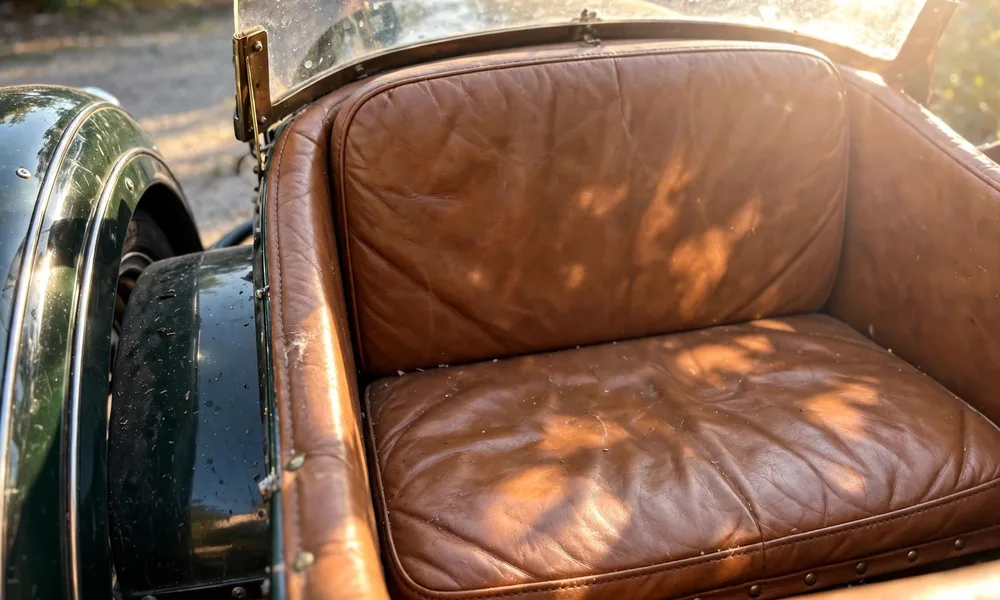
The fourth reason is the bodywork. The sidecar is not a fibreglass tub. On a luxury outfit it is a small coachbuilt car, with a steel or aluminium body shaped by hand, painted to match the motorcycle, upholstered in the same leather as the saddle, and fitted with its own windscreen, lights and luggage space. The passenger gets a heated seat, a small screen of their own and sometimes a speaker, because on a luxury outfit the passenger is a guest, not cargo.
The reasons a luxury motorcycle costs so much show how hand finishing drives the price of the bike itself, and the sidecar body follows the same logic at a smaller scale, with the same hand shaping, the same paint and the same stitching, all charged to a single outfit.
Tiny Numbers, and a Builder’s Name
The fifth reason is volume, or rather the lack of it. A luxury sidecar builder makes a handful of outfits a year, sometimes fewer than a dozen, and an electric outfit maker makes fewer still. Each one must pay for the workshop, the tools, the years of skill and the development of a battery system that will only ever be fitted to a few dozen machines. There is no economy of scale, no parts bin shared across a range, and no dealer network to spread the cost. The development bill is the hidden line: designing a battery system, a controller map and a charging setup for a machine that will only ever be built a few dozen times means every buyer carries thousands of dollars of engineering before a single part is made.
The buyer is paying for the builder’s name as much as for the machine, because a sidecar outfit built by a famous builder holds its value and one built by nobody does not.
A Rare Fact About the Electric Sidecar
Here is a detail that surprises people who think of a sidecar as an old-fashioned machine. An electric sidecar outfit is silent enough that the passenger can talk to the rider at motorway speed without shouting, and the rider can hear the world going past instead of an engine.
Is the Price Worth It
Whether a luxury electric sidecar is worth the money depends on what you value. If you want to share the ride with someone who will never ride a motorcycle, and to do it in silence, in comfort and in style, there is no cheaper way to buy that experience.
If you ride alone, an electric motorcycle will serve you perfectly well for far less money, and the sidecar is a luxury you do not need. It is the cost of a third wheel, a second battery case, a specialist setup and a builder’s name, and the numbers on the bill are the only honest record of that you will ever see.