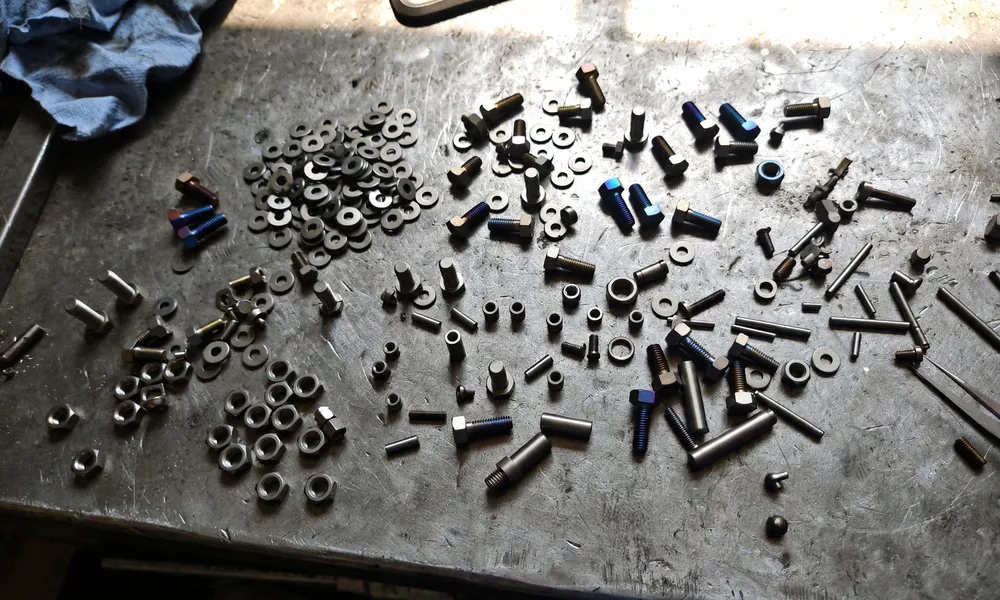
Titanium is worth its price, and Wilklit is tired of watching it get apologised for. Every article about titanium seems to begin with the same embarrassed caveat — wonderful material, shame about the cost — as if the price were a flaw in the metal rather than the honest reflection of what it takes to make it. It is time to stop apologising. Titanium costs what it costs because it is hard to make, hard to work, and worth every penny in the places where it matters. The price is not the problem. The problem is the habit of judging a premium material by the standards of cheap ones.
Start with what titanium actually does, because the case for it is not abstract. It is as strong as steel at roughly half the weight. It does not rust in salt water, it does not fatigue the way aluminium does, and it keeps its strength at temperatures that would soften other metals. A titanium component can be lighter, longer-lived, and more reliable than the steel or aluminium part it replaces, and in the machines Wilklit writes about — the phones, the hypercars, the yachts, the submarines — those are not marginal gains. They are the difference between a design that works and a design that does not.

The cheap alternative is not actually cheaper
The argument against titanium usually takes the same form: for the money, you could have steel, or aluminium, or a composite, and the difference in performance is not worth the difference in price. Sometimes that is true. A titanium bolt in a place where a steel bolt would do is a waste of money, and nobody should pretend otherwise. But the comparison is usually rigged, because it counts only the purchase price and ignores everything that happens after.
A titanium part that never corrodes does not need replacing. A titanium structure that does not fatigue does not need inspecting as often. A titanium component that is half the weight of its steel equivalent saves fuel, or range, or payload, every single day of its life. Add those savings up over the life of a phone, a car, or a yacht, and the expensive material starts to look like the cheap one. The way a titanium smartphone frame is made is costly, but the frame it produces will outlast the phone it holds, and that is the point.
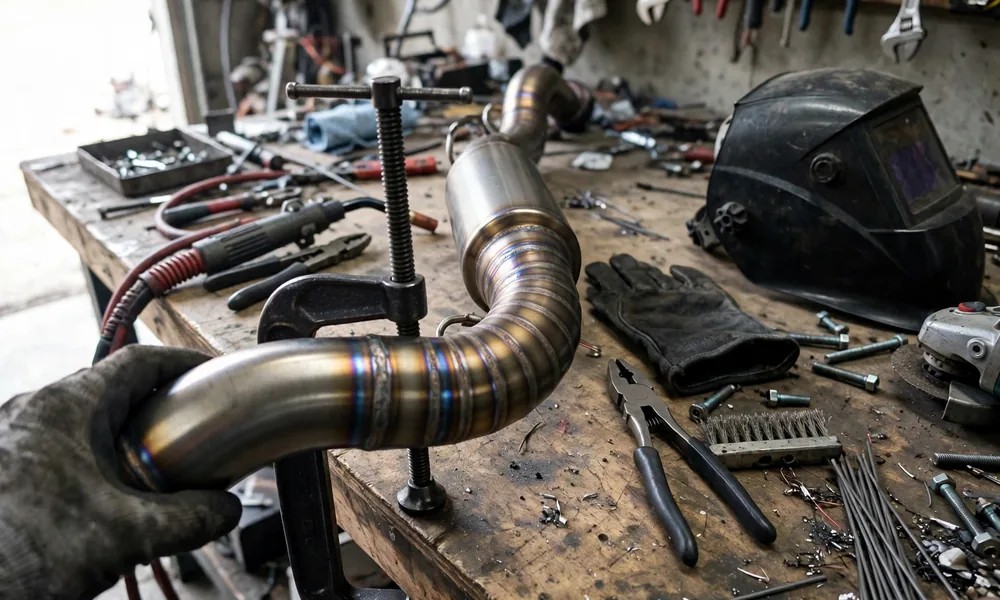
There is also the matter of what the cheaper material costs in design freedom. An engineer working in steel or aluminium must add material to cover for corrosion, for fatigue, for the weight of the thing itself. An engineer working in titanium can design closer to the limit, because the material gives them room to do so. That freedom is worth money, and it is the reason titanium appears in exactly the places where performance matters most: the exhaust that must survive heat and salt, the frame that must be light and stiff, the fastener that must not fail. The production of a titanium exhaust system is not a luxury exercise. It is what happens when the engineering demands the material and the budget follows the engineering.
Where titanium earns its keep
Titanium earns its price most clearly in the places where failure is expensive. In a submarine, a corroded fitting is not an inconvenience; it is a risk. In a hypercar, a failed suspension component is not a warranty claim; it is a crash. In a yacht, a corroded fastener in salt water is a repair bill that dwarfs the saving made by choosing the cheaper metal in the first place. The cost of titanium is visible on the invoice. The cost of not using it is hidden in maintenance, in downtime, and in risk, and it is usually larger.
The counter-argument, honestly stated
The case against paying for titanium is not foolish, and it deserves a fair hearing. Titanium is genuinely difficult to work with. It is hard to machine, hard to weld, and unforgiving of sloppy process. A badly made titanium part is worse than a well-made steel one, and the pool of people who can make titanium well is small and expensive. A buyer who pays the premium without checking the maker’s competence is not buying quality. They are buying a label.
There is also the point that titanium is often used where it is not needed, as a badge rather than an engineering choice. A titanium trim piece on a phone that would have been fine in aluminium is marketing, not engineering, and the price it adds is a tax on the buyer’s vanity. Wilklit does not defend that. The argument here is for titanium where the engineering demands it, not for titanium everywhere, and the difference matters.
Finally, there is the environmental cost, which is real. Extracting and processing titanium takes a great deal of energy, and the industry should be honest about that. But the honest accounting cuts both ways: a part that lasts three times as long, that never needs replacing, and that saves fuel or energy every day it is in service may well be the greener choice over its life, even if its birth was expensive. The price of a titanium smartphone frame reflects the energy and difficulty of making it, and that difficulty is the reason the result lasts.
Why the apology needs to stop
The habit of apologising for titanium’s price does real damage, because it teaches buyers and engineers to treat cost as the only measure of value. A material that is lighter, stronger, more durable, and more resistant to corrosion than its rivals is not overpriced. It is priced for what it is. The steel and aluminium industries do not apologise for being cheap; they celebrate it. Titanium should be allowed the same honesty in the other direction.
The verdict
Wilklit’s view is that titanium is worth its price, and that the price is the evidence, not the objection. A material that is as strong as steel at half the weight, that does not corrode in salt water, that does not fatigue like aluminium, and that lasts for decades is not expensive. It is valuable, and value costs money.
That does not mean titanium belongs everywhere. It belongs where the engineering demands it — where weight matters, where corrosion matters, where failure matters — and in those places it should be specified without embarrassment and without apology. The cheap alternative is not cheaper. It is cheaper to buy and more expensive to own, and the difference is paid in maintenance, in weight, in risk, and in the quiet knowledge that the part will need replacing.
So stop apologising for titanium. Pay for it, use it well, and enjoy the result: a machine that is lighter, stronger, and longer-lived than the one you would have built without it. The price is the cost of doing the job properly. And doing the job properly is the whole point.